TL;DR: Effective Amazon keyword research in 2026 is no longer just about high volume; it's about aligning with buyer intent and the A10 algorithm. Use advanced tools to identify high-conversion terms and optimize both frontend and backend fields for maximum visibility.
Key Takeaways
- Buyer intent is more important than raw search volume for driving conversions in 2026.
- The Amazon A10 algorithm prioritizes sales velocity driven by relevant keywords and external traffic.
- Backend search terms must be clean, unique, and strictly within the 249-byte limit to be indexed properly.
Table of Contents
Note on marketplaces: This guide is specifically optimized for the US market.
What is Amazon Keyword Research and Why It Matters
Amazon keyword research is the systematic process of identifying the specific words and phrases customers type into the search bar when looking for products. Unlike Google, where search intent can be informational or navigational, Amazon is a purely transactional engine. Every search is a potential purchase. Understanding these terms allows you to bridge the gap between what you sell and what buyers are looking for.
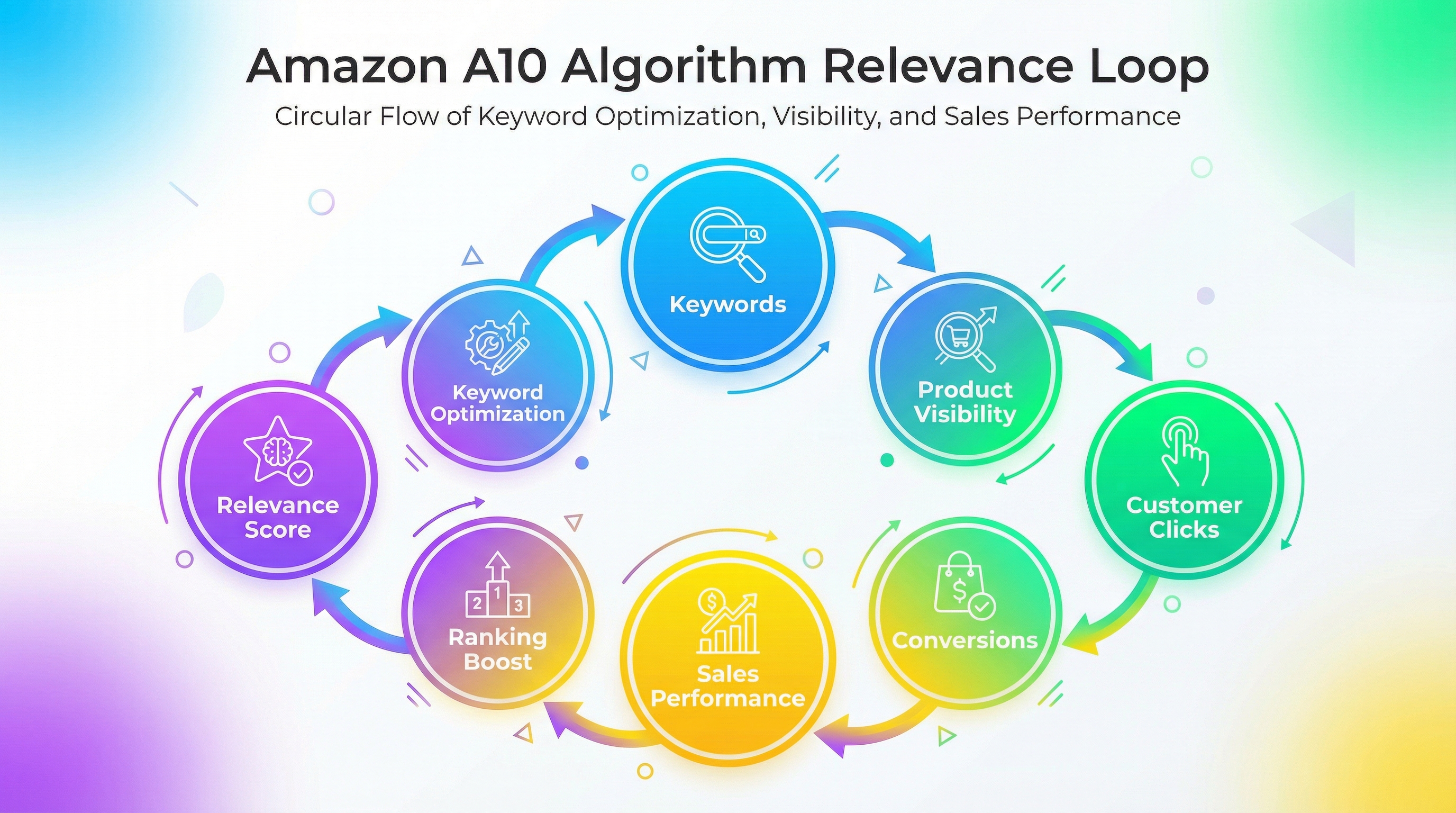
In the landscape of 2026, the A10 algorithm has become more sophisticated. It doesn't just look for keyword matches; it monitors the "relevance loop." This means if you rank for a high-volume keyword but have a low conversion rate, Amazon will quickly drop your product ranking. Proper keyword research ensures you are targeting the right audience, which maintains a high click-through rate (CTR) and conversion rate (CVR), the two most critical factors for long-term Amazon product ranking.
Keyword Research Methods and Tools Overview
There are several ways to uncover profitable keywords, ranging from manual methods to sophisticated software. For beginners, the Amazon Autocomplete feature (the drop-down suggestions) is a great way to find long-tail keywords for free. However, for established and brand sellers, relying on manual methods is insufficient because they lack data on Amazon search volume and competitiveness.
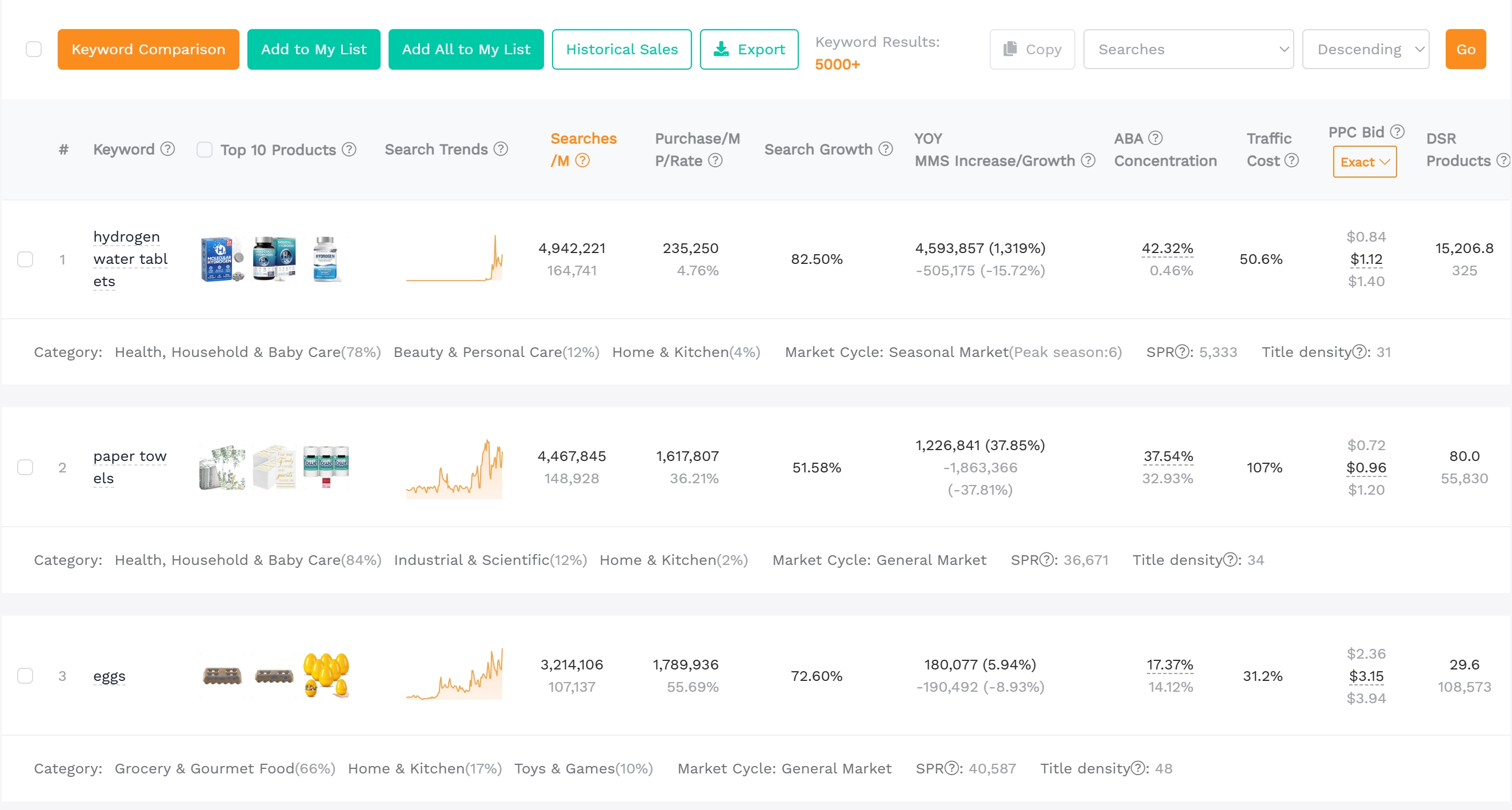
Professional tools like the SellerSprite Keyword Research Tool provide deep insights into real-time search trends and competitor performance. While many sellers use the Helium 10 keyword tool, integrating multiple data sources (including direct Amazon API data) is crucial for accuracy in the 2026 US market. Advanced tools offer "Reverse ASIN lookup," which allows you to see exactly which keywords your competitors are ranking for and where their sales are coming from.
Step-by-Step Keyword Research Process
To dominate your category, follow this structured workflow:
- Seed Keyword Discovery: Start with broad terms describing your product (e.g., "espresso machine"). Use these in a keyword tool to generate hundreds of variations.
- Reverse ASIN Analysis: Identify the top 5 competitors in your niche. Extract the keywords they rank for in the top 10 positions. These are your "Golden Keywords."
- Filter by Intent and Volume: Don't just pick the highest volume. Filter for relevance. A keyword with 2,000 monthly searches and 10% conversion is better than one with 20,000 searches and 0.5% conversion.
- Optimize Amazon Backend Search Terms: Move secondary keywords and synonyms to the backend. Ensure you do not repeat words used in the title or bullets, and stay under the 249-byte limit.
Amazon SEO vs. PPC Keyword Strategy
While the keywords used are often the same, the strategy for Amazon SEO and Amazon PPC keywords differs significantly. SEO is a long-term play focusing on organic ranking through relevance. PPC is a short-term catalyst used to buy visibility and test keyword viability. In 2026, a synergistic approach is mandatory: use PPC to gain initial sales velocity on specific terms, which in turn boosts your organic Amazon product ranking for those same terms.
Common Keyword Research Mistakes to Avoid
Even experienced sellers fall into traps. Keyword stuffing, the practice of cramming as many keywords as possible into the title, no longer works and actually harms your CTR. Another mistake is ignoring "Negative Keywords" in PPC campaigns, which leads to wasted ad spend. Finally, many sellers forget to update their research; search trends change seasonally, and what worked in Q1 might be obsolete by Q4.
In-Depth Guides & Spoke Topics
Explore our specialized guides to master every aspect of Amazon traffic:
- Amazon A10 Algorithm Strategy
- Understanding Amazon Search Volume Data
- Winning Amazon PPC Keyword Research
- Core Amazon SEO Foundations
FAQ
How do I find high-volume keywords for my Amazon product listing?
The most effective method is using a Reverse ASIN lookup tool like SellerSprite. By analyzing top-performing competitors, you can see the exact high-volume keywords driving their sales. Additionally, use the Amazon Search Query Performance report in Seller Central for direct consumer data.
What are the best free tools for Amazon keyword research in 2026?
While paid tools offer more data, free options include Amazon Autocomplete, Google Trends (for seasonality), and the Amazon Brand Analytics tool (available to Brand Registered sellers). These provide basic directional data without the cost.
How can I optimize my Amazon backend search terms for better visibility?
Keep your backend search terms under 249 bytes. Do not use commas, do not repeat words from your title/bullets, and avoid competitor brand names. Focus on synonyms, related terms, and common misspellings.
How to find Amazon keywords that buyers actually use?
Focus on "conversion keywords" rather than just high-volume ones. Look at customer reviews and the "Questions & Answers" section of your product and your competitors' products to see the specific language customers use to describe the item.
How to do keyword research for Amazon PPC campaigns?
Start with an Automatic campaign to discover what Amazon thinks is relevant. Then, move high-performing search terms into Manual campaigns. Use Broad, Phrase, and Exact match types to control your bid and targeting precision.
How to use Google Trends for Amazon keyword research?
Google Trends is perfect for identifying seasonality. If you see a spike in "outdoor furniture" on Google in March, you should optimize your Amazon keywords and increase PPC bids in February to catch the rising demand wave.
How to Track Amazon Keyword Rankings Effectively?
Use a dedicated Keyword Tracker. Monitor your position daily for your top 10 keywords. If you see a drop, investigate if it's due to a competitor's price change, an out-of-stock issue, or a change in the Amazon algorithm.
Next Steps
- Start your data-driven journey by using the SellerSprite Keyword Tool to identify top-performing ASINs.
- Audit your current listings for keyword gaps and backend search term compliance.
- Set up a ranking tracker to monitor your progress against competitors.
References
By Seller Success Team
The Seller Success Team at SellerSprite is comprised of veteran Amazon sellers and data analysts dedicated to helping e-commerce entrepreneurs scale. With over a decade of combined experience in Amazon SEO, PPC, and market analysis, they provide actionable insights backed by real-time data.