Amazon dropshipping can be a practical way to start selling with low upfront investment. If you have searched terms like Amazon drop shipping, dropshipping Amazon, or dropshipping on Amazon, you are not alone. This guide breaks down what dropshipping is, what Amazon allows, and how to start dropshipping on Amazon in a way that protects your account health. You will learn how to pick products, choose suppliers, create listings, and fulfill orders so you can dropship on Amazon with confidence.
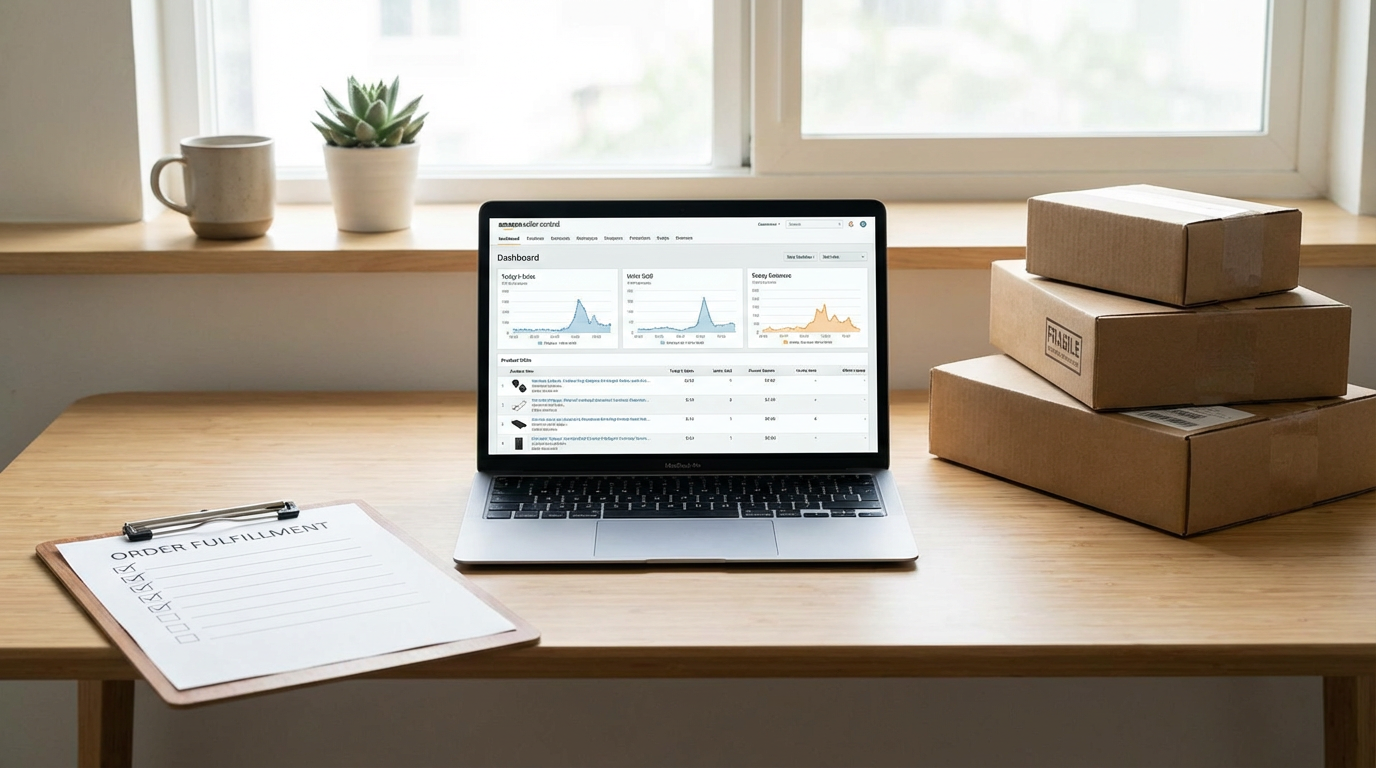
Throughout the article, you will see how SellerSprite can support product and niche research, competitor analysis, and keyword planning for drop shipping Amazon workflows. SellerSprite is built for sellers who want data-driven decisions and a community that helps you grow the right way.
What is Dropshipping and Is It Allowed on Amazon?
Understanding the Dropshipping Model
Dropshipping is a fulfillment model where you sell products without stocking inventory. You create listings, market the offer, and manage the customer relationship. A third-party supplier stores the inventory and ships each order directly to the buyer. In simple terms, dropshipping on Amazon means you sell first, then you purchase the item from your supplier after the customer pays.
When people say Amazon dropshipping, Amazon drop shipping, or dropshipping Amazon, they usually mean the same core approach. The details that matter are shipping speed, supplier reliability, and compliance. If you want to drop shipping on Amazon sustainably, your processes must protect the customer experience and your account metrics.
Amazon's Dropshipping Policy
Amazon allows dropshipping on Amazon, but only when you follow the seller of record rule. That means you must be clearly identified as the seller on packing slips, invoices, and any external materials included with the shipment. Your customer should never see your supplier's branding, receipts, or pricing information in the package.
What compliant dropshipping must include
- You are the seller of record on all paperwork
- No supplier logos, invoices, or promotional inserts inside the package
- You own customer service and returns, even if you never touch the product
Also, avoid fulfilling orders using other retailers. If your customer receives packaging or receipts that reveal another store as the shipper, your account can be at risk. If your goal is to dropship on amazon long term, prioritize compliance over shortcuts.
Pros and Cons of Dropshipping on Amazon
Advantages: Low Startup Cost, No Inventory
- Low upfront investment because you do not buy inventory before you have sales
- Faster testing of products and niches compared with bulk purchasing
- No warehousing needs and less time spent on packing and shipping
For many beginners, Amazon dropshipping feels approachable because it lowers the cost of learning. You can focus on research, listing quality, and customer experience first, then improve your margins as you gain volume and better supplier terms.
Disadvantages: Thin Margins, Supplier Risks
- Thin margins because Amazon fees plus supplier cost can leave little profit
- High competition and frequent price pressure in popular niches
- Supplier stockouts, slow shipping, and quality issues can hurt account health
Dropshipping on Amazon can work, but it demands discipline. You must manage orders quickly, communicate clearly, and choose suppliers who respect your compliance requirements. When you treat it like a real business, not a shortcut, your odds improve dramatically.
Validate demand before you list anything
Use SellerSprite to check search demand, competition, and pricing so your Amazon dropshipping catalog is built on real data.
How to Start Dropshipping on Amazon
Step 1: Research and Choose Your Niche
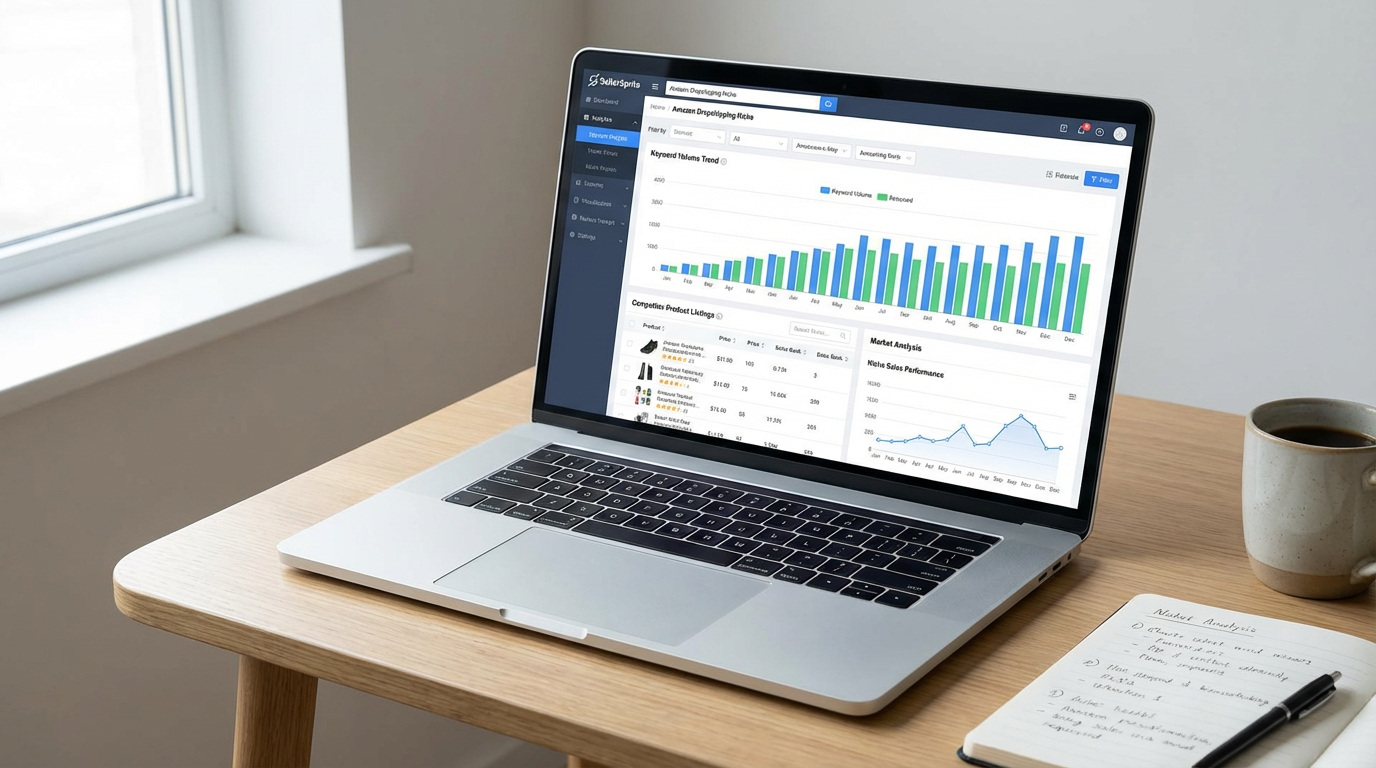
If you want to know how to start dropshipping on Amazon, start with research, not suppliers. Your niche should have consistent demand, manageable competition, and pricing that can absorb Amazon fees plus supplier costs. SellerSprite helps you discover search demand, track seasonality, and compare listings so you can build a shortlist of opportunities before you list anything.
SellerSprite niche checklist for dropshipping
- Check keyword demand and related long tail searches
- Review top listings for price stability and review intensity
- Estimate margin with realistic fees and shipping assumptions
Step 2: Find Reliable Suppliers
The supplier is the engine of your dropshipping on Amazon business. Look for suppliers who can ship quickly, provide tracking, maintain stable inventory, and agree to neutral packaging. Before you scale, test small orders to verify shipping speed and product quality. Strong supplier communication reduces cancellations and late shipments, which protects your account.
Supplier requirements you should confirm early
- Neutral packaging with no supplier branding
- No invoices or pricing documents included in the package
- Trackable shipping and consistent handling times
Step 3: Create Your Amazon Listings
Create listings that are clear, accurate, and optimized for search. Use SellerSprite keyword research to cover buyer language naturally in your title, bullets, and backend terms. Your pricing must include Amazon referral fees plus supplier costs and shipping. Solid listing clarity reduces returns and improves conversion, which matters in drop shipping Amazon models where margins are thin.
Step 4: Fulfilling Orders via Dropshipping
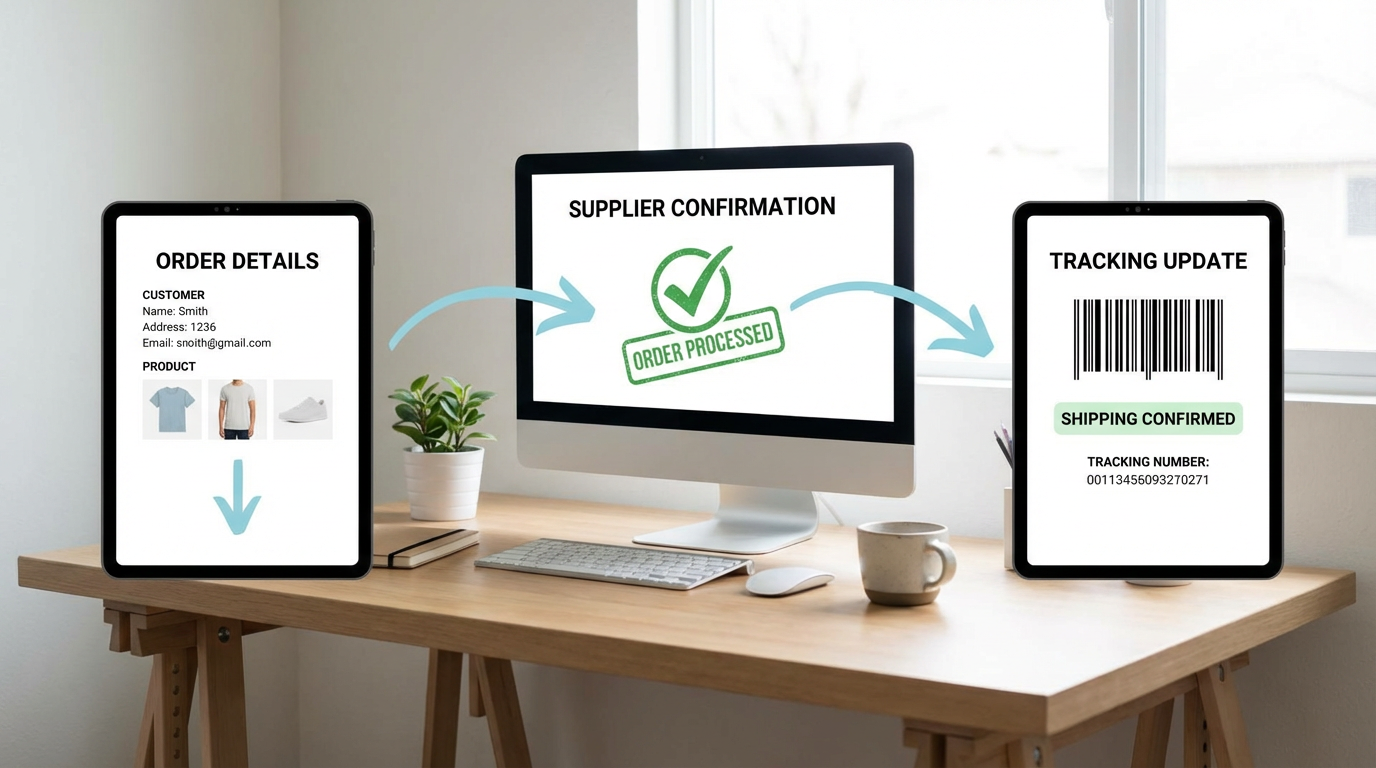
- Monitor new orders in Seller Central and place supplier orders quickly
- Ensure the supplier ships with neutral packaging and your seller of record details
- Upload tracking to Amazon on time and watch delivery performance
Managing Your Amazon Dropshipping Business
Monitoring Inventory and Pricing
Dropshipping on Amazon requires tight control of stock and pricing. If your supplier runs out of stock or changes costs, you must respond quickly to avoid cancellations or selling at a loss. Build a weekly routine to check supplier availability, review competitor pricing, and adjust your Amazon offer within a safe margin floor.
Customer Service and Returns
Even when you never touch the product, you own the customer experience. Respond fast to messages, communicate shipping expectations clearly, and have a return plan. If a product arrives damaged or late, resolve it quickly. Great service protects seller feedback and reduces order defect risk, which is essential if you want to dropship on amazon long term.
Staying Compliant with Amazon
Compliance is not optional in Amazon dropshipping. Confirm the seller of record rule on every order, avoid retail fulfillment shortcuts, and protect your metrics by choosing suppliers who can ship consistently. When you treat compliance as your operating system, you reduce stress and build a business that can scale.
Build a compliant product plan with SellerSprite
Use SellerSprite to research niches, plan keywords, and avoid risky products before you commit to dropshipping on Amazon.
Tips for Succeeding as a Dropshipper
Building Strong Supplier Relationships
- Communicate regularly and confirm stock changes early
- Negotiate better terms as volume grows
- Maintain a backup supplier for best sellers when possible
Choosing the Right Products
- Focus on products with stable demand and manageable competition
- Avoid products likely to cause returns or customer confusion
- Use SellerSprite to validate keyword demand and pricing room
Scaling Up (Multi-Channel Dropshipping)
After you build a stable foundation, you can scale by expanding your catalog, improving supplier terms, and testing additional channels. Use SellerSprite to spot adjacent keywords and products your niche already buys. Scaling is about repeating what works with better systems, not adding complexity too fast.
Conclusion: Should You Dropship on Amazon?
Recap of Key Takeaways
- Amazon dropshipping is allowed when you are the seller of record and packaging stays neutral
- Margins can be thin, so research and pricing discipline matter
- Supplier reliability directly impacts shipping performance and account health
Encouragement for New Dropshippers
If you are serious about learning e-commerce, dropshipping on Amazon can be a smart training ground. Start with one niche, keep your operations clean, and use data to guide your choices. When you combine SellerSprite research with strong supplier discipline, you give yourself a real chance to build something steady. Take action carefully, improve weekly, and keep compliance at the center of everything you do.