TL;DR: Customer Lifetime Value (CLV) on Amazon measures how much revenue a customer generates over time. Calculating and improving CLV helps sellers boost profitability, refine marketing, and increase retention through data-driven strategies.
Key Takeaways
- Customer Lifetime Value (CLV) is a critical metric that predicts total revenue a buyer will generate from your Amazon store.
- Use average order value, purchase frequency, and customer lifespan to calculate Amazon CLV accurately.
- Improving customer retention by just 5% can increase profits by 25%–95%, making loyalty strategies essential.
- Tools like SellerSprite's analytics help track repeat purchase rates and optimize CLV.
- Effective post-purchase engagement, personalized offers, and loyalty programs increase long-term customer value.
Table of Contents
Note on marketplaces: This guide is specifically optimized for the US market.
What Is Customer Lifetime Value on Amazon?
Customer Lifetime Value (CLV) is the total profit a seller expects to earn from a single customer over the entire duration of their relationship. On Amazon, where competition is fierce and customer acquisition costs are rising, CLV helps sellers shift focus from one-time sales to long-term profitability.
Unlike traditional retail, Amazon sellers have limited direct access to buyer data. However, by analyzing repeat purchase behavior, order history, and customer reviews, you can estimate CLV and identify high-value shoppers. This insight allows you to allocate ad spend more efficiently, personalize follow-up communications, and build brand loyalty.
For example, a skincare brand might find that customers who buy a $30 cleanser return every 90 days for refills. Over two years, that single customer could generate $240 in revenue—far more valuable than a one-time buyer.
How to Calculate Customer Lifetime Value on Amazon
Since Amazon doesn't provide direct CLV reports, sellers must use available data to estimate it. The most common formula is:
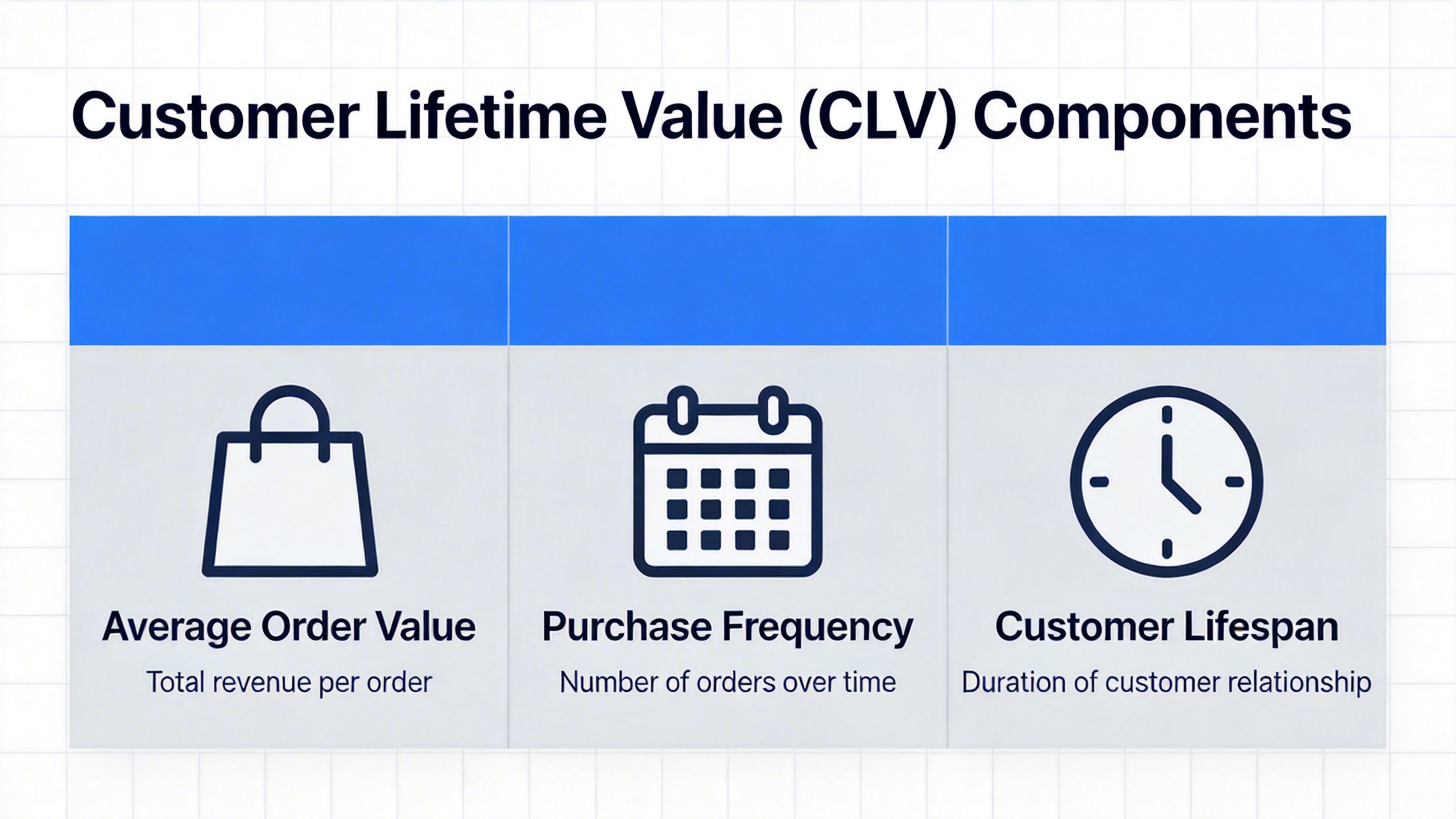
CLV = Average Order Value × Purchase Frequency × Customer Lifespan
Let's break this down:
- Average Order Value (AOV): Total sales ÷ number of orders. For example, $10,000 in sales from 500 orders = $20 AOV.
- Purchase Frequency: Total number of orders ÷ number of unique customers. If 500 orders came from 200 customers, frequency = 2.5.
- Customer Lifespan: Average time (in years) a customer remains active. Track repeat purchases over 6–12 months to estimate this.
Example: A pet toy seller has an AOV of $25, purchase frequency of 3 times per year, and average customer lifespan of 2 years.
CLV = $25 × 3 × 2 = $150
This means each customer brings in $150 over their lifetime. With this number, you can justify higher ad spend or invest in loyalty programs.
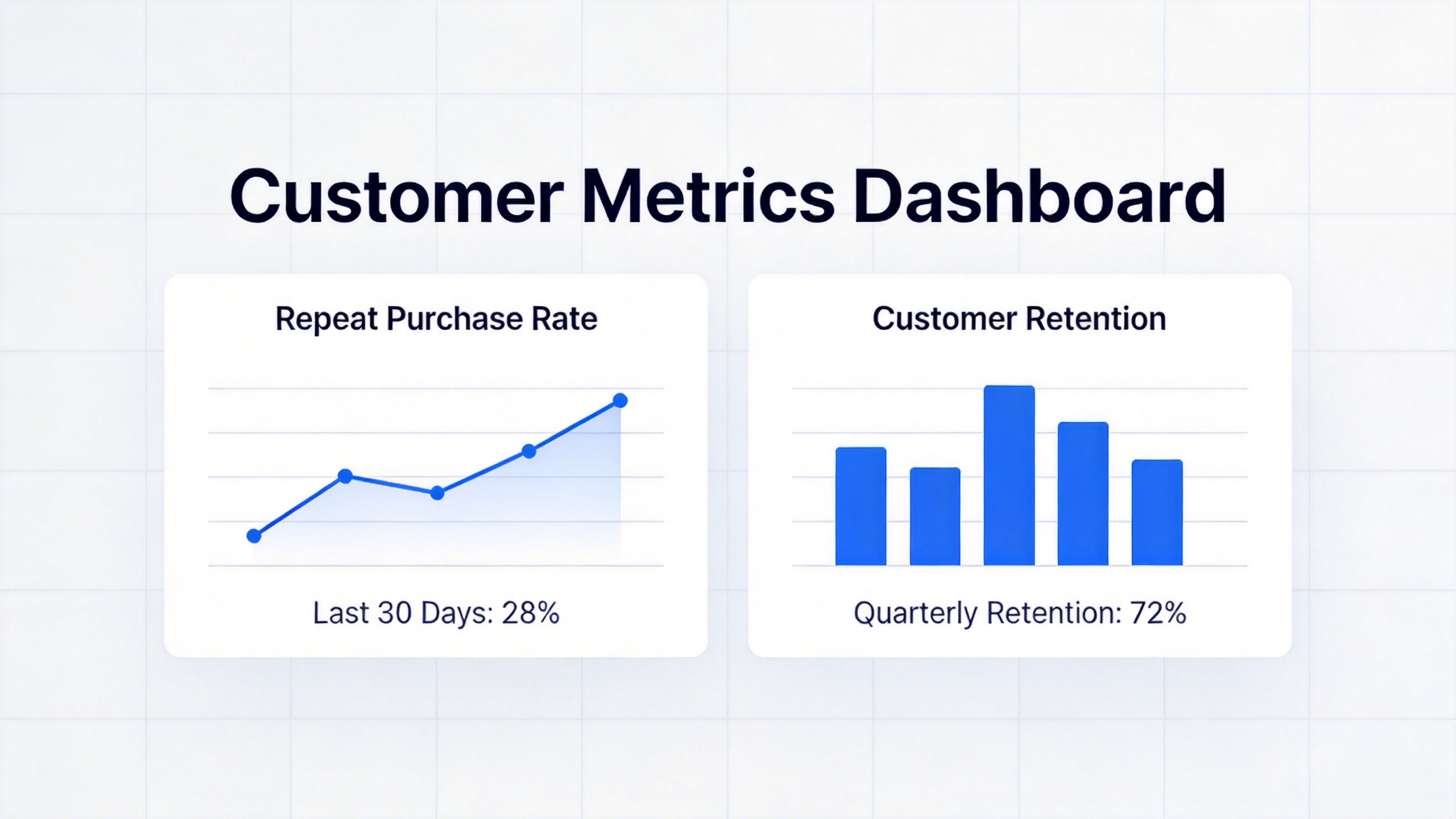
Tools like SellerSprite's sales analytics automate AOV and repeat purchase tracking, making CLV calculation faster and more accurate.
Strategies to Increase Customer Lifetime Value on Amazon
Once you've calculated CLV, the next step is to increase it. Here are proven strategies tailored for Amazon sellers:
1. Improve Customer Retention
Retention is the strongest driver of CLV. According to Bain & Company, increasing customer retention by 5% increases profits by 25% to 95%. On Amazon, retention means getting buyers to repurchase your products.
Actionable steps:
- Use Amazon Follow-Up to send post-purchase messages (e.g., usage tips, care instructions).
- Encourage reviews to build trust and social proof.
- Monitor feedback and resolve issues quickly to prevent negative experiences.
2. Boost Repeat Purchase Rate
Products with natural replenishment cycles (e.g., supplements, pet food, skincare) have higher CLV. Use Subscribe & Save or bundle offers to encourage repeat buys.
Example: A coffee pod brand offers a 15% discount for Subscribe & Save. Customers save money, and the seller locks in recurring revenue.
3. Implement Customer Loyalty Strategies
While Amazon doesn't support traditional loyalty programs, you can build loyalty through:
- Email capture via inserts: Include a QR code or URL in packaging to collect emails for off-Amazon marketing.
- Exclusive offers: Provide discount codes for future purchases.
- Personalized recommendations: Use past purchase data to suggest complementary products.
4. Upsell and Cross-Sell Effectively
Increase AOV by showcasing bundles or premium versions. For example, a phone case seller can offer a "Complete Protection Kit" with screen protector and cleaning cloth.
Amazon's "Frequently Bought Together" and A+ Content are powerful tools for cross-selling.
FAQ
How do I calculate customer lifetime value for my Amazon store?
Use the formula: CLV = Average Order Value × Purchase Frequency × Customer Lifespan. Calculate AOV by dividing total sales by number of orders. Find purchase frequency by dividing total orders by unique customers. Estimate lifespan by tracking how long customers continue buying from you (e.g., 6 months, 1 year). Tools like SellerSprite help automate these metrics using your Amazon sales data.
What are the best strategies to increase customer lifetime value on Amazon?
Top strategies include improving customer retention through post-purchase engagement, increasing repeat purchase rates with Subscribe & Save, building loyalty via email capture and exclusive offers, and boosting average order value through bundling and cross-selling. Focus on high-quality products and excellent service to encourage repeat business.
How does customer retention impact lifetime value for Amazon sellers?
Customer retention directly increases CLV by extending the customer lifespan and boosting repeat purchases. Retained customers cost less to serve, buy more over time, and are more likely to refer others. Even a small improvement in retention can significantly increase profitability, making it a key focus for sustainable Amazon growth.
Next Steps
- Use SellerSprite's analytics tools to track your repeat purchase rate and calculate CLV.
- Sign up for SellerSprite to unlock deeper customer insights and optimize your Amazon strategy.
References
- Amazon Seller Central Reports View
- Bain & Company – The Economics of Loyalty View
- SellerSprite Amazon Analytics Guide View
By SellerSprite Team
The SellerSprite Team combines deep expertise in Amazon marketplace analytics, e-commerce data science, and seller growth strategies. With years of experience helping thousands of sellers optimize pricing, track performance, and increase profitability, we deliver actionable insights grounded in real-world results and data integrity.