Trend Research for Long-Term Product Opportunities

2025-12-01

Introduction

In this chapter, we explore how to leverage trend research to identify product ideas with lasting demand. By identifying emerging trends early and validating their longevity, you can get ahead of the competition and choose products likely to sell well not just for a month or two, but for years. This approach combines creative insight with data-driven validation using SellerSprite tools and external resources. By the end of the chapter, you'll know how to spot promising trends, differentiate short-lived fads from sustainable opportunities, and use SellerSprite's Seller Tools to confirm that your product idea can perform well year-round. Let's begin by exploring where to find powerful trend inspiration, then move on to validating those ideas.

Using Pinterest Trends to Discover Product Ideas

An image shows the process of turning Pinterest Trends into product ideas.

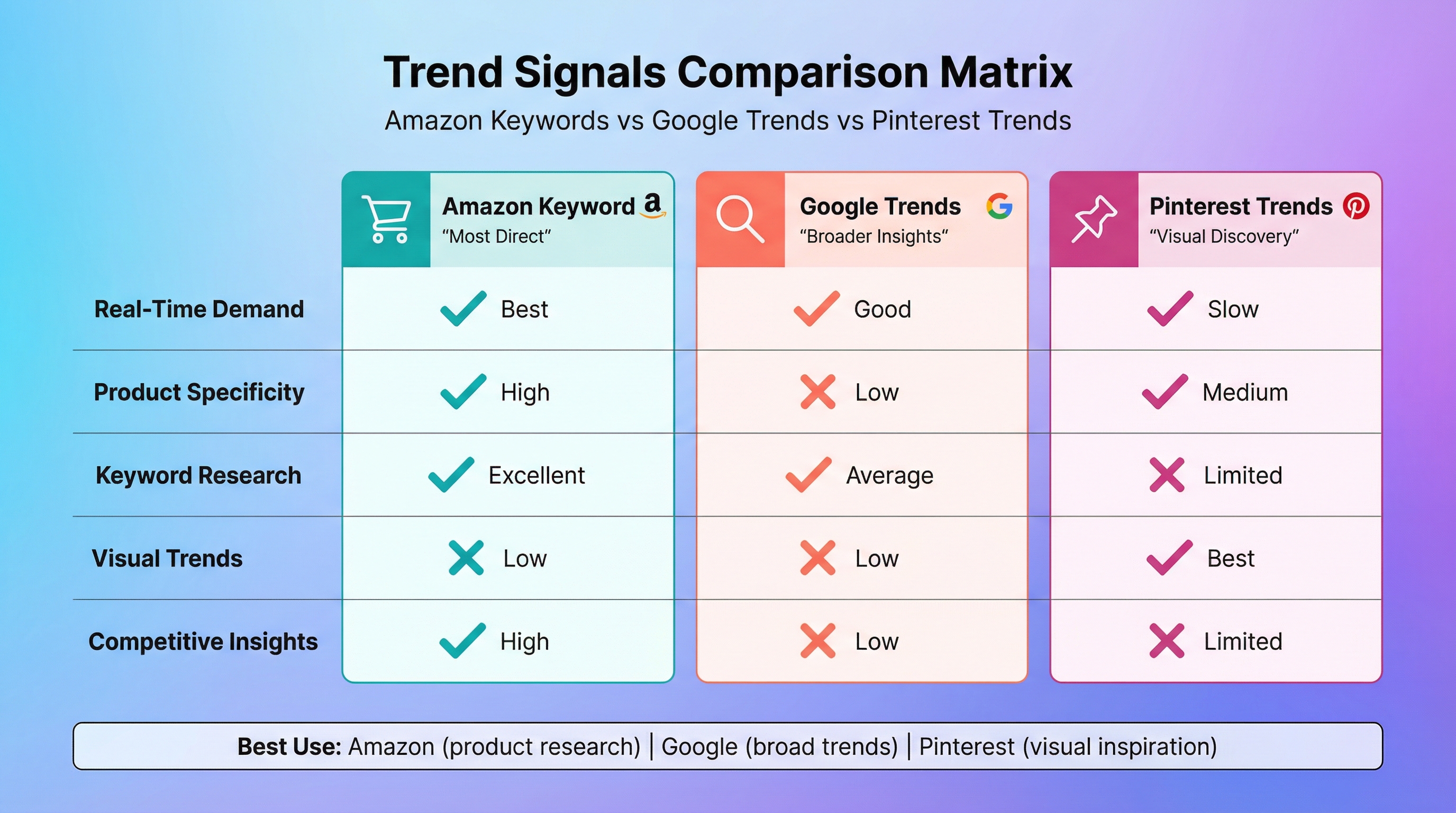
One powerful (and free) way to spark product ideas is by looking at social media trend reports. Pinterest, in particular, behaves like a search engine for inspiration, making it a goldmine for discovering which themes and aesthetics are on the rise. Every year, Pinterest releases a report of trending searches (often called Pinterest Predicts) that highlight topics gaining popularity. These trends often hint at emerging consumer interests, some of which can translate into profitable product niches.

How to Leverage Pinterest for Product Research

A screenshot shows a recent Pinterest Trends page.

  • Visit the Pinterest Trends/Predicts page: Look for Pinterest's annual trend report (for example, search for "Pinterest [Year] trends"). This page lists trending themes with eye-catching names and shows related search terms and the extent of their growth (often as a percentage increase).
  • Scroll and note interesting themes: The trends might range from home decor styles to lifestyle movements. Not every trend will be directly product-related, but spend a few minutes scrolling through and note anything that sparks ideas or seems relevant to products. Ask yourself, "Could this trend inspire a product or category of products?"
  • Examine the related search terms: Under each trend, Pinterest provides specific search terms and their growth rates. These keywords are clues to what people are excited about. They can guide you on which items or designs are gaining attention.

Examples of Pinterest Trends to Product Ideas

Pinterest trends often have creative names, but let's look at a few examples and how they lead to specific product ideas:

  • "Barkitecture" (Pet Home Decor): This trend shows a rise in searches for pet-friendly home design, such as "luxury cat room." This signals a consumer desire for attractive pet furniture and décor. Product idea: Create stylish cat or dog furniture that matches home décor. This approach differs from traditional, plain pet supplies.
  • "Night Moves" (Nighttime Aesthetics): Rising searches for aesthetics like "road trip" and "bioluminescent" visuals suggest interest in dreamy nighttime decor. This signals demand for items that create a magical night ambiance. Product idea: Offer glow-in-the-dark room decor or LED signs reflecting this vision. Another option is wall art featuring city skylines at night, enhancing urban decor inspired by this trend.
  • "Emotional Escape Rooms" (Mood-Themed Spaces): This trend involves designing spaces around emotions or hobbies, as seen in searches like "music theme room" or "rage room." The opportunity is clear: Offer music-themed décor or stress-relief gadgets that help customers create these emotion-based or hobby-centric spaces at home.
  • "Hellenistic Revival" (Ancient Greek Inspiration): Interest in Greek aesthetics appears as spikes in searches for "Ancient Greek jewelry" and "Greek statue art." This suggests an appeal for Greek-inspired accessories and decor. Product idea: Offer jewelry or home accents inspired by Greek mythology (such as coin necklaces or statue planters), merging trend-driven interest with classic style.

When using Pinterest trends for ideas, pay attention to identifying trends with true longevity versus short-lived fads. Look for trends that reflect ongoing shifts in taste, recurring revivals, or universal needs because these are more likely to endure. For instance, the trend of pampering pets reflects a deeper, long-lasting lifestyle change, even if the form it takes (like luxury pet rooms) evolves. Similarly, while ancient motifs may surge and decline in popularity, they generally remain relevant due to their cyclical appeal. By learning to distinguish between a passing craze and a lasting consumer interest, you can focus on trends that support sustainable product opportunities.

Another benefit is that most Amazon sellers overlook Pinterest, so you gain a creative edge. You're sourcing ideas from a place your competitors might not even think to look. The key is to take these imaginative concepts and then validate them with real market data (which we'll do with SellerSprite and other tools in the next steps).

Validating Trend Longevity and Seasonality

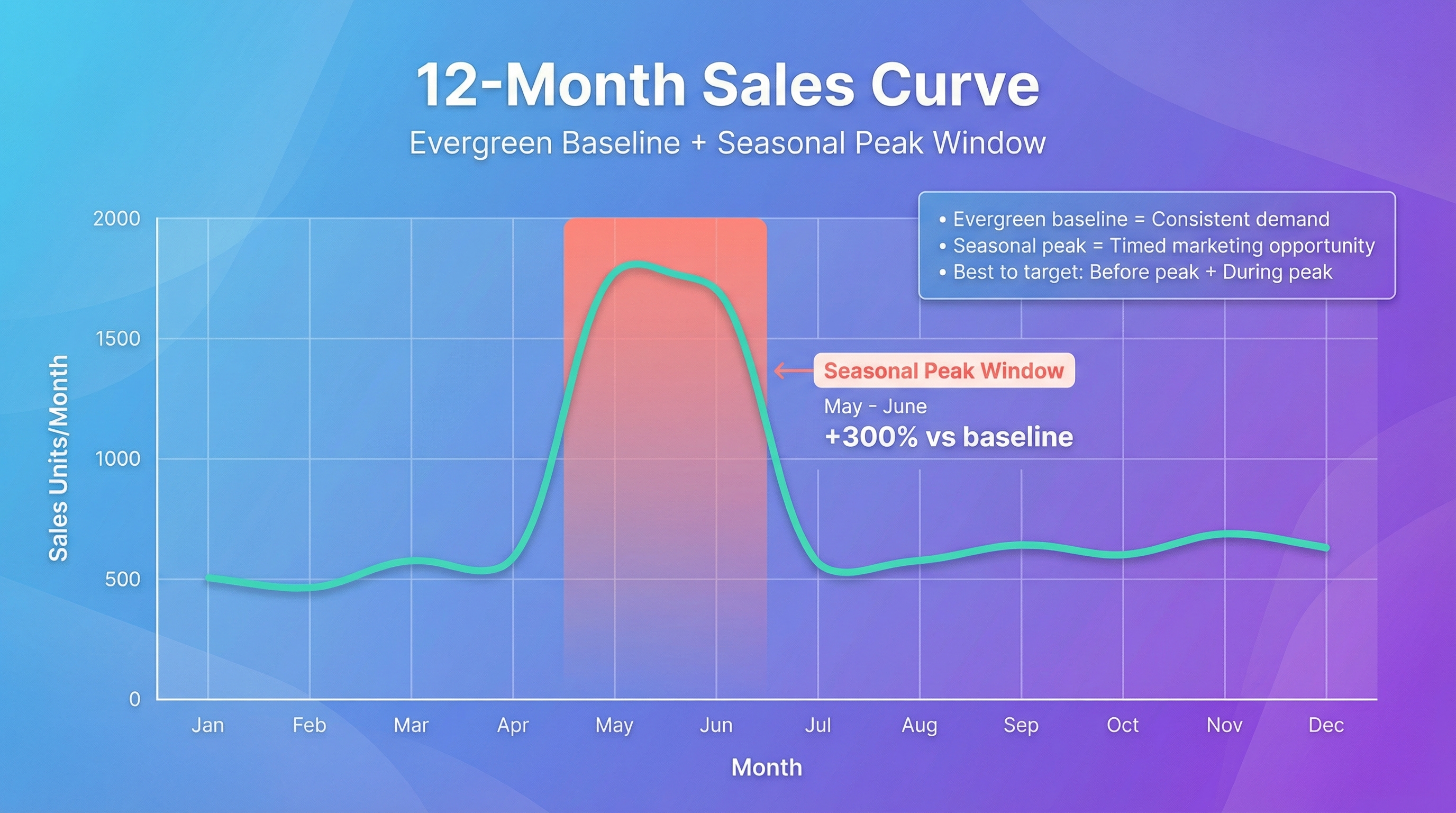
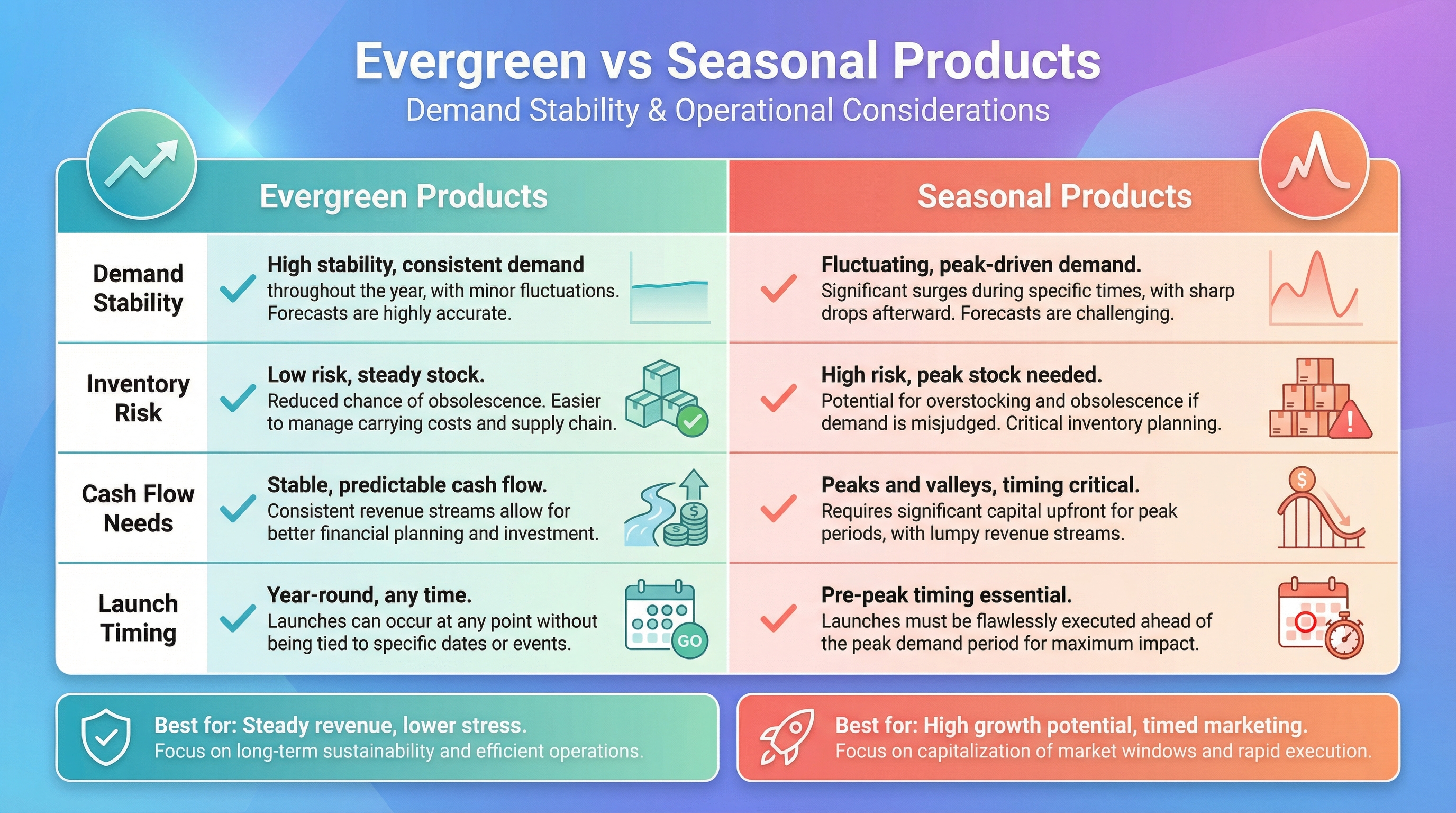
An image shows the comparison between long-term products and seasonal ones.

Having a cool product idea tied to a trending theme is exciting, but the next step is crucial: validating the demand and longevity of that idea. Not every popular Pinterest trend will translate into strong sales on Amazon, and even if it does, it might be seasonal or short-lived. We'll cover how to use data to answer two important questions about your potential product niche:

  1. Is this just a temporary craze, or is it a stable (or growing) interest?
  2. Is the demand steady year-round, or does it spike only during certain seasons?

Two excellent resources to tackle these questions are Google Trends (for broad consumer interest over time) and SellerSprite's tools (for Amazon-specific demand and seasonality). Let's explore how to use both in combination.

Using Google Trends to Gauge Interest

Google Trends is a free tool that shows the relative search interest for a given term over time. It's like taking the pulse of millions of internet users to see when and how strongly they search for something. This tool is incredibly useful for spotting seasonal patterns and overall trend directions.

How to use Google Trends

  1. Go to the Google Trends website and select your target market's region (for example, the United States if you plan to sell in the US).
  2. Enter a broad keyword related to your product idea or category. Tip: Broader is usually better here. For instance, if you thought of a glow-in-the-dark wall decor product from the "Night Moves" trend, you might start with a broad term like "wall decor" or "room decor at night" rather than something very narrow. Broader terms ensure you get enough data to see a clear pattern.
  3. Adjust the timeframe to a longer period (e.g., the past 5 years) to identify consistent patterns and avoid being misled by short-term fluctuations.
  4. Examine the graph produced by Google Trends.

When looking at the Google Trends graph, here's how to interpret it: The vertical axis doesn't show absolute search volume, but relative interest over time (with 100 representing the peak popularity point). If you see recurring peaks and dips each year, that indicates seasonality. If you see a single massive spike that never repeats, that could indicate a fleeting fad. A steady line or a gradually rising line suggests a more evergreen or growing interest.

An Example of the Seasonal Trend

A screenshot of the keyword trend result page by searching "camping gear" on Google Trends.

Let's say you search for "camping gear" over the last 5 years. You might notice a clear pattern: interest rises in late spring, peaks in summer around June or July, and then falls off during the winter months. This pattern repeats every year. What does this tell us? Camping gear is a highly seasonal category. People search for it when the weather is warm and camping is on their mind, and far less in cold months. If your product idea was related to camping, you now know to expect demand swings. As a seller, that means you'd need to manage inventory and cash flow, knowing there will be high sales in summer and very slow periods in winter. For new sellers, jumping into a strongly seasonal product can be challenging. You might sell a lot for a few months, but then almost nothing for the rest of the year. It doesn't mean you should never do it, but you have to be prepared for the off-season lull. Often, it's safer to aim for products with year-round demand (or at least multiple peaks a year) when you're just starting out.

An Example of the Consistent Year-Round Trend

A screenshot of the keyword trend result page by searching "microwave oven" on Google Trends.

Now imagine you search for something like "microwave oven" or "washing machine". The Google Trends graph for a consistently selling item, such as a microwave oven, will look relatively flat over time, with only minor waves. No huge spikes, no complete drop-offs; just steady interest month after month, year after year. This is an example of an evergreen product. If your product idea looks like this on Google Trends, it suggests you can expect stable demand throughout the year. You won't have to worry much about seasonal inventory swings, though you also may not see enormous surges in interest (unless you actively create a surge through marketing).

An Example of the One-Time Fad

A screenshot of the keyword trend result page by searching "fidget spinner" on Google Trends.

Now consider a term like "fidget spinner" on Google Trends. If you set the time frame to 2016-2020, you'll see a large spike in 2017, followed by a rapid return to low search interest. That graph basically screams "fad." Fidget spinners were a viral trend. They became wildly popular almost overnight, sustained that popularity for a short period, and then fell out of favor. If you were researching product ideas during that spike without context, you might have thought, "Wow, everyone wants fidget spinners, and competition looks manageable, let's launch one!" But by the time you developed or sourced the product, the craze would likely be over, leaving you with inventory that people aren't interested in anymore. This illustrates why it's so important to check trends over a multi-year span. If you see a sharp mountain-shaped curve that isn't repeated, be cautious, because you might be looking at a fad that has already peaked or will soon decline.

Other Google Trends Features beyond the Graph

Google Trends offers more than just the basic interest graph. It also provides:

  • Geographical interest: A map showing which regions search the term the most (adjusted for population size). For example, a term like "camping gear" might show higher interest in outdoor-loving states or areas with lots of parks. This can sometimes hint at where your target customers live or which markets might be best for advertising.
  • Related topics and queries: These are lists of other terms that users who searched your term also searched. They can reveal related interests or emerging associated keywords. For instance, for "camping gear," related queries might include specific items like "portable stove" or trends like "glamping tents." If you see a related query labeled "Rising" or one that has a high growth percentage, it could be an up-and-coming niche to look into. Similarly, if Pinterest trends gave you a broad concept, related queries on Google could give you more concrete product keywords to research on Amazon.
  • Trending searches in Shopping: You can switch Google Trends to focus on Shopping queries (people searching on Google Shopping) for more product-oriented insight. By setting the filter to "Shopping" and a short time frame (like past 30 days or 90 days), you might catch very recent surges in purchase-related searches. For example, a spike in "cool camping gadgets" or "reusable water bottle trendy" might signal new hot items. This is another way to generate ideas, which you can then verify with SellerSprite on the Amazon side.

Google Trends provides a big-picture validation. If your product idea doesn't show any interest on Google, that's a red flag: either the idea is too new (nobody knows about it yet), or too niche, or not appealing. If it shows interest but only at certain times, you've identified seasonality. If it shows a recent, large spike, you need to determine whether it's a one-time event or the start of a bigger trend (sometimes a spike can be the beginning of a trend; you might catch it early if other indicators suggest it will grow, but be cautious).

Checking Amazon-Specific Trends with SellerSprite

An image shows using SellerSprite for trend research on Amazon.

While Google Trends is great for overall consumer interest, as an Amazon seller, you also want to know how this translates to Amazon searches and sales. This is where SellerSprite's suite of tools comes into play. SellerSprite provides data and insights specifically tailored to Amazon marketplaces, confirming what you saw in Google Trends and providing more granular detail for product research.

Here are some ways to validate trends and seasonality using SellerSprite's tools:

A screenshot demonstrates an example of result page by using SellerSprite's Keyword Research feature.
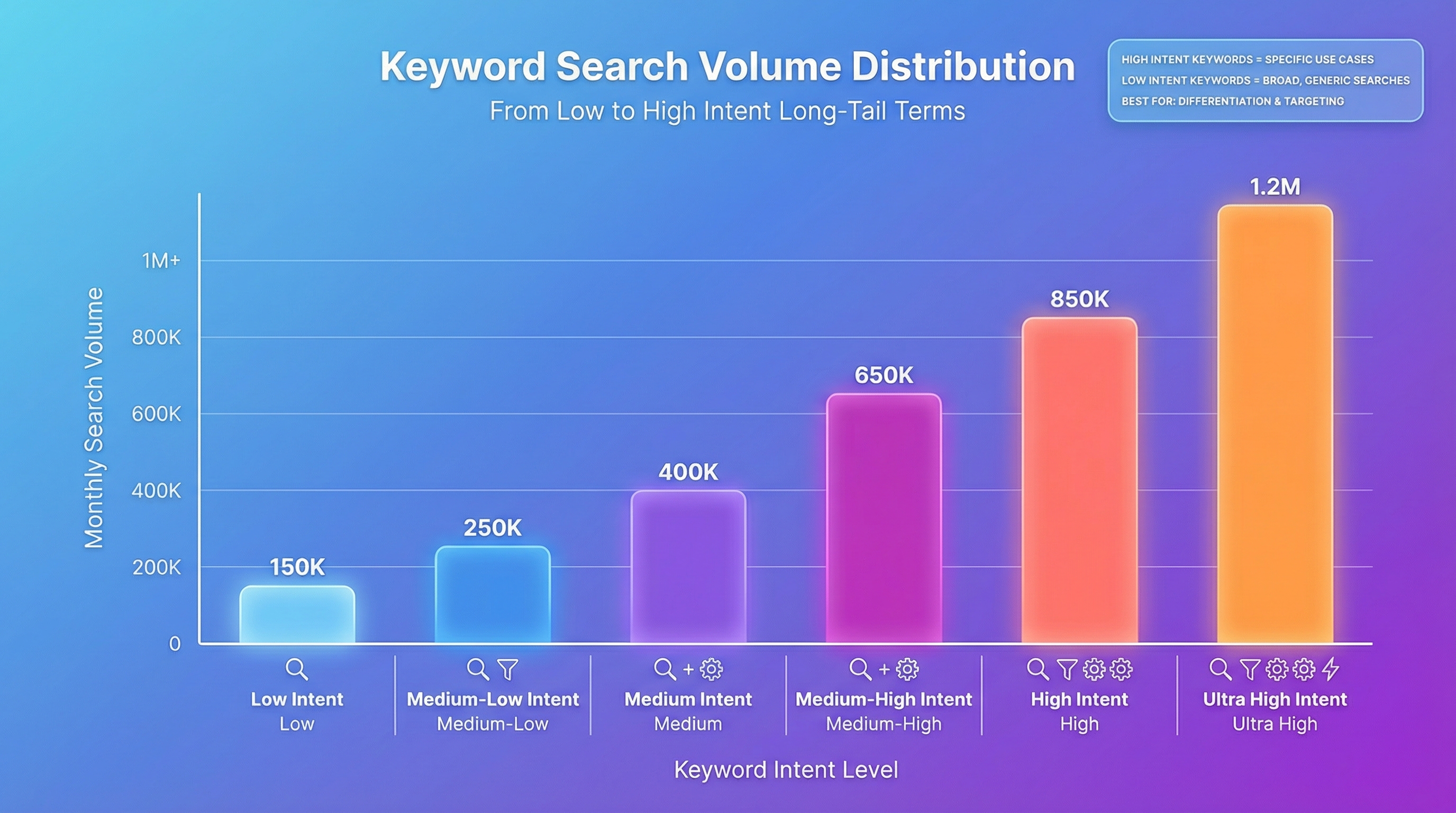
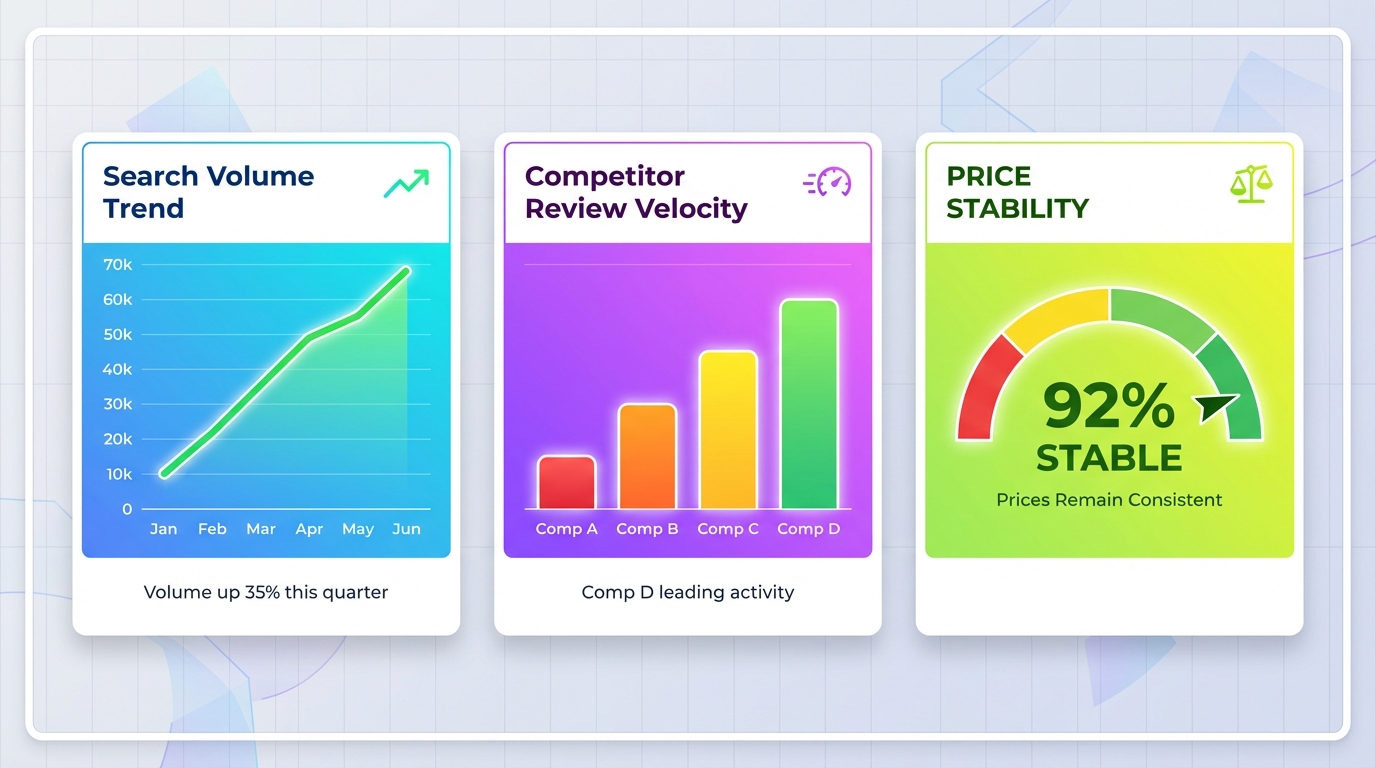
  • Keyword Search Volume Trends: Using SellerSprite's Amazon Keyword Research tool, you can look up the search volume for keywords on Amazon and see how it changes month by month. For example, if "camping tent" is your product idea, search for that in the Keyword tool. SellerSprite typically shows a graph or table of how many searches for that term occurred each month over the past year (or even multiple years). A visual trend line here will often mirror the Google Trends pattern if the product is seasonal. If you see that the search volume for "camping tent" always spikes in June and dips in December, you've confirmed Amazon-specific seasonality. On the other hand, if a term has steady search volume every month, that indicates consistent demand on Amazon.
A screenshot demonstrates an example of result page by using SellerSprite's Product Tracker feature.
  • Historical Sales Data: Some SellerSprite tools (for example, the Product Tracker) allow you to view the historical sales or bestseller rank of products in a category. You could track a top-selling product in the niche you're interested in and examine its sales rank history over the years. If even the top product shows sales rank climbing (meaning fewer sales) each winter and improving each summer, that's a clue the whole category is seasonal. SellerSprite's Chrome Extension might also provide a quick view of a product's sales history chart right on the Amazon listing page, which is very handy for spot-checking seasonality while you browse products on Amazon.
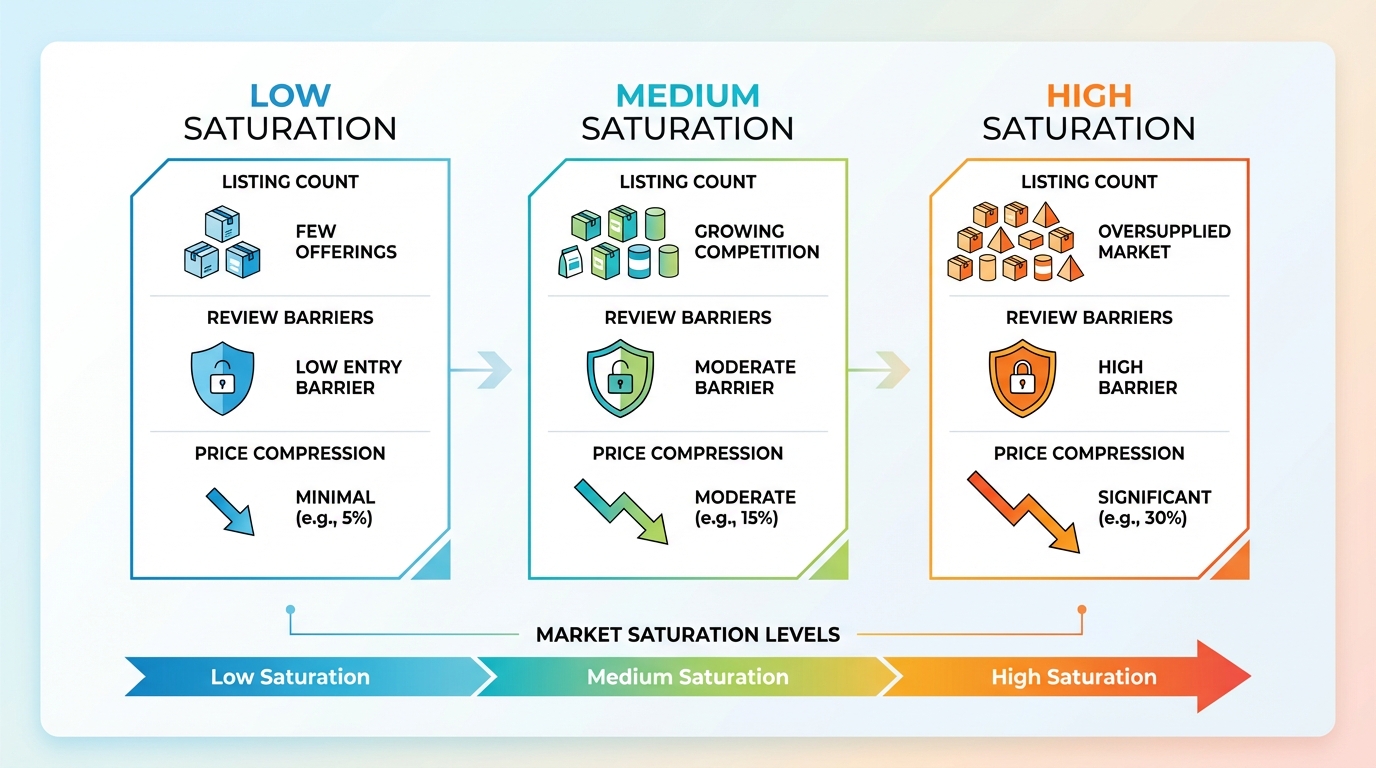
A screenshot demonstrates how SellerSprite can help Amazon sellers do market saturation and competition analysis.
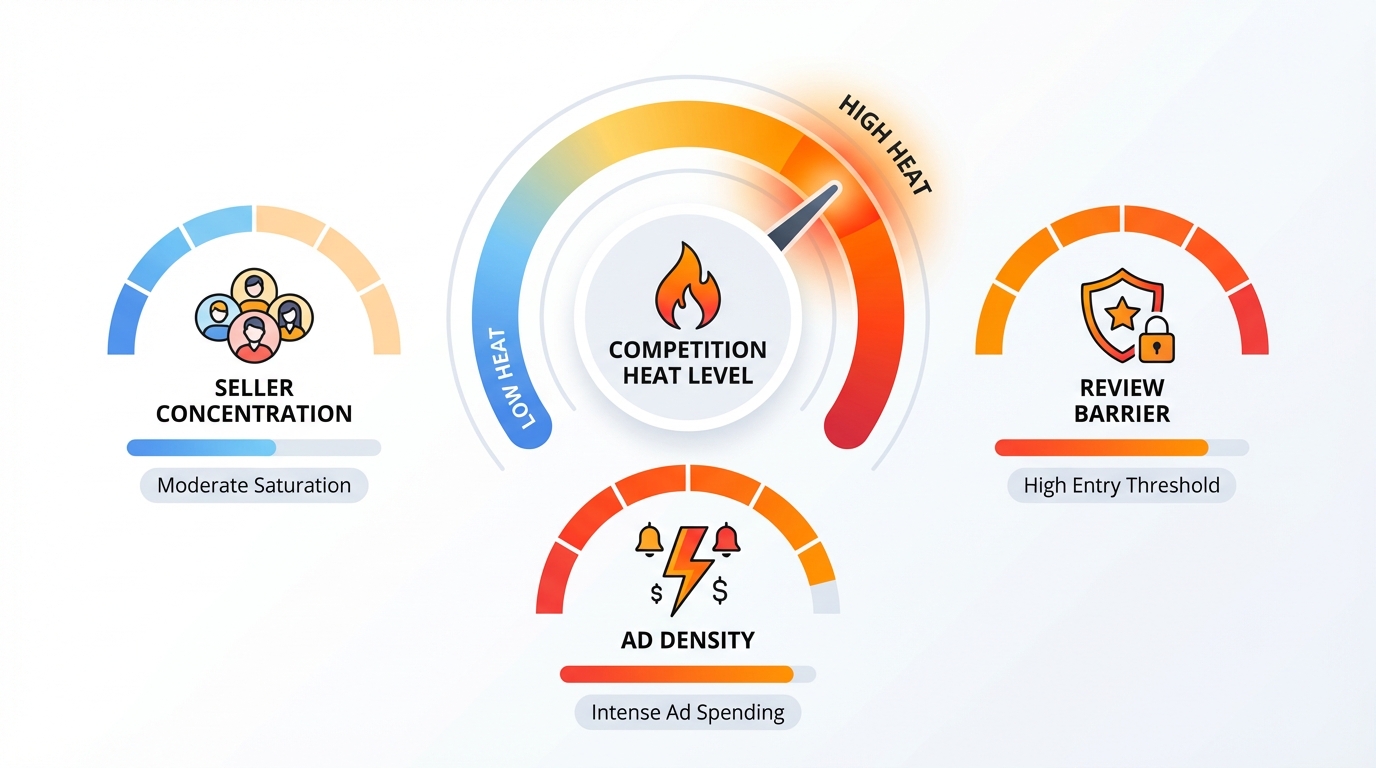
  • Market Saturation and Competition Check: Beyond just trend lines, SellerSprite can help you assess how competitive the space is. While not exactly "trend" data, it's related: a trend may be rising, but if hundreds of sellers have already jumped on it, you need to gauge if you can still compete. SellerSprite's Product Research tool can show how many sellers, average reviews, price points, and other metrics exist for products in that niche. Ideally, a good trend-driven opportunity has growing demand but relatively low competition (especially if traditional sellers haven't yet noticed the trend).

Using SellerSprite in tandem with Google Trends creates a complete picture: Google tells you "Are people in general interested in this topic over time?" and SellerSprite tells you "Are Amazon shoppers searching for and buying products related to this topic, and what's the market like?"

For example, suppose Pinterest shows that "ancient Greek jewelry" is trending, and Google Trends confirms that searches for "Greek jewelry" have been rising over the last 6 months. When you check on SellerSprite, you might look up "Greek statue necklace" or similar keywords. You discover that search volume on Amazon for these keywords has indeed doubled in the past year. You also find only a few products on Amazon with that style, and their sales have been picking up. This would validate it as a promising niche to consider: a trend translating into real buyer interest on Amazon, with room for you to offer a product.

On the other hand, if SellerSprite shows the niche is already saturated with many similar products (lots of reviews, established sellers) or the Amazon search trend isn't as strong as the Google trend, then you'd proceed more carefully. It could mean the trend is more "Pinterest hype" than actual purchasing behavior, or that the window of opportunity on Amazon is closing.

Key Takeaway: Data validation with SellerSprite prevents you from going on gut feeling alone. It adds a layer of confidence and clarity. Before investing in a product, you'll know whether the trend you spotted is reflected in buyer activity and how competitive the field is. This way, you base your decisions on solid evidence rather than intuition.

Transform Inspiration into Amazon Success

That trending idea can be your next best-seller if the data agrees. Use Google Trends plus SellerSprite to validate real demand and gauge competition. Make the leap from inspiration to confident action and launch your product with clarity and confidence.

Try SellerSprite Free → 

Distinguishing Fads from Sustainable Trends

An image shows how to distinguish long-term trends from short trends.

Not all trends are created equal. As we've touched on, there's a big difference between a short-lived fad and a sustainable, long-term trend. Being able to tell the two apart can save you from headaches and lost money. Let's break down the differences and how you can identify each when doing your product research.

Fads (Short-Term Trends)

  • Rapid Rise and Fall: Fads often explode onto the scene. They experience a sudden surge in popularity, charted as a steep upward spike in search volume or sales. However, they usually decline just as rapidly once the novelty wears off or the market becomes saturated.
  • Examples: Fidget spinners, certain viral toys or social media challenges, a specific style of phone case everyone wants one year, but nobody wants the next. These are products that might be hugely popular for a matter of months.
  • Risks for Sellers: If you catch a fad too late, you could end up with unsold inventory. Manufacturing and shipping a product takes time. By the time you're ready to sell, consumer interest might have moved on. Additionally, fads attract many sellers quickly, which can trigger a price war and shrink profit margins for everyone.
  • How to Spot a Fad Early: If you're actively monitoring trends (via Pinterest, social media, Google Trends, and SellerSprite's trending data), you might see a spike starting. Early on, it's hard to tell whether it will be a short-lived fad or evolve into something bigger. Look at context: Is this product tied to a one-off event or a gimmick? Does it solve a lasting problem or need? Is there a community or lifestyle around it, or is it just a novelty? Fads are often novelties without deeper staying power. SellerSprite can help by showing you whether similar past products had short life cycles or whether this new surge is unprecedented. If you decide to take a calculated risk on a fad, be prepared to move very quickly and have an exit plan.

Sustainable (Long-Term) Trends

  • Gradual Growth and Endurance: Long-term trends might start more slowly, but they keep growing steadily, or at least maintain their popularity over the years. On a trend graph, these might look like a gentle upward slope or a series of seasonal waves that either stay the same height or grow taller each year.
  • Examples: Eco-friendly products (reusable straws, biodegradable materials), health & wellness items (like yoga mats or organic foods, which didn't explode overnight but have grown with the wellness movement), and tech accessories that align with an ongoing tech shift (for instance, accessories for smart home devices as smart homes become more common). These align with broader societal changes or consumer preferences.
  • Opportunities for Sellers: Aligning your product with a macro trend means you could have a stable or expanding market for a long time. There is often room for new and improved products as the trend evolves. Competition may increase over time, but if you establish a brand early, you can become a known player. Also, long-term trends often allow for brand building and line expansion.
  • How to Identify: Sustainable trends often tie into fundamental consumer desires or cultural shifts: sustainability, convenience, health, connectivity, etc. If your product idea fits into one of those big-picture movements, it's a good sign. When checking Google Trends, a macro trend might show a multi-year uptrend or at least consistent yearly interest. On SellerSprite, you might notice that new sub-niches keep appearing under that trend (e.g., many variations of eco-friendly products gaining search volume, indicating the category as a whole is broadening).

Macro Trends vs. Micro Trends

Sometimes we refer to macro trends (the big overarching trend) and micro trends(smaller expressions of the trend, some of which may be fads). For example, "environmentally conscious living" is a macro trend. Within that, using less single-use plastic is a sub-trend, and within that, metal straws or silicone reusable bags might emerge as products. A specific color or character design for metal straws might even become a microfad. As a seller, you want to ride the macro trend wave (it's heading in a clear direction) while being mindful of which micro trends are just opportunistic flashes.

SellerSprite can assist by showing you a broader market view. If you research "reusable kitchen products" and see that lots of different items in that category are growing in sales, it's a macro trend confirmation. If you only see one oddly specific product surging and everything else is flat, that could be a fad or anomaly.

Case Study: From Fad to Trend

Let's consider the fidget spinner again, but from another angle: The underlying need was fidgeting or stress relief. The fad was the spinner toy itself; the trend (or rather, the ongoing need) is for people to seek small ways to relieve stress and improve focus. In the wake of fidget spinners, we've seen a sustained interest in stress-relief desk toys, fidget cubes, sensory jewelry, and so on. The broader wellness and mental health awareness trend is not a fad; it's growing, but individual products serving that need can be fads. So if you were analyzing in 2017 with SellerSprite, you might have seen spinners spike. If you looked deeper, you might have realized that while spinners were hot, the concept of stress-relief tools had deeper roots. A smart move could have been to introduce a different kind of fidget toy that provided similar benefits without being a direct copy of the fad product. This way, you leverage the macro trend (stress relief tools) while differentiating from the saturated fad (spinners).

Takeaway: Always ask, "Is this product tied to something people will care about next year, or was it tied to a moment in time?" Use the data at your fingertips: If SellerSprite shows that sales for a category spiked and then crashed, be wary. If it shows steady growth, that's reassuring. And if you're ever unsure, lean towards caution. You can put a fad idea on the back burner or test it in a small quantity, but usually it's the steady trends that build a reliable business.

Step-by-Step Guide: Using Trend Research for Product Selection

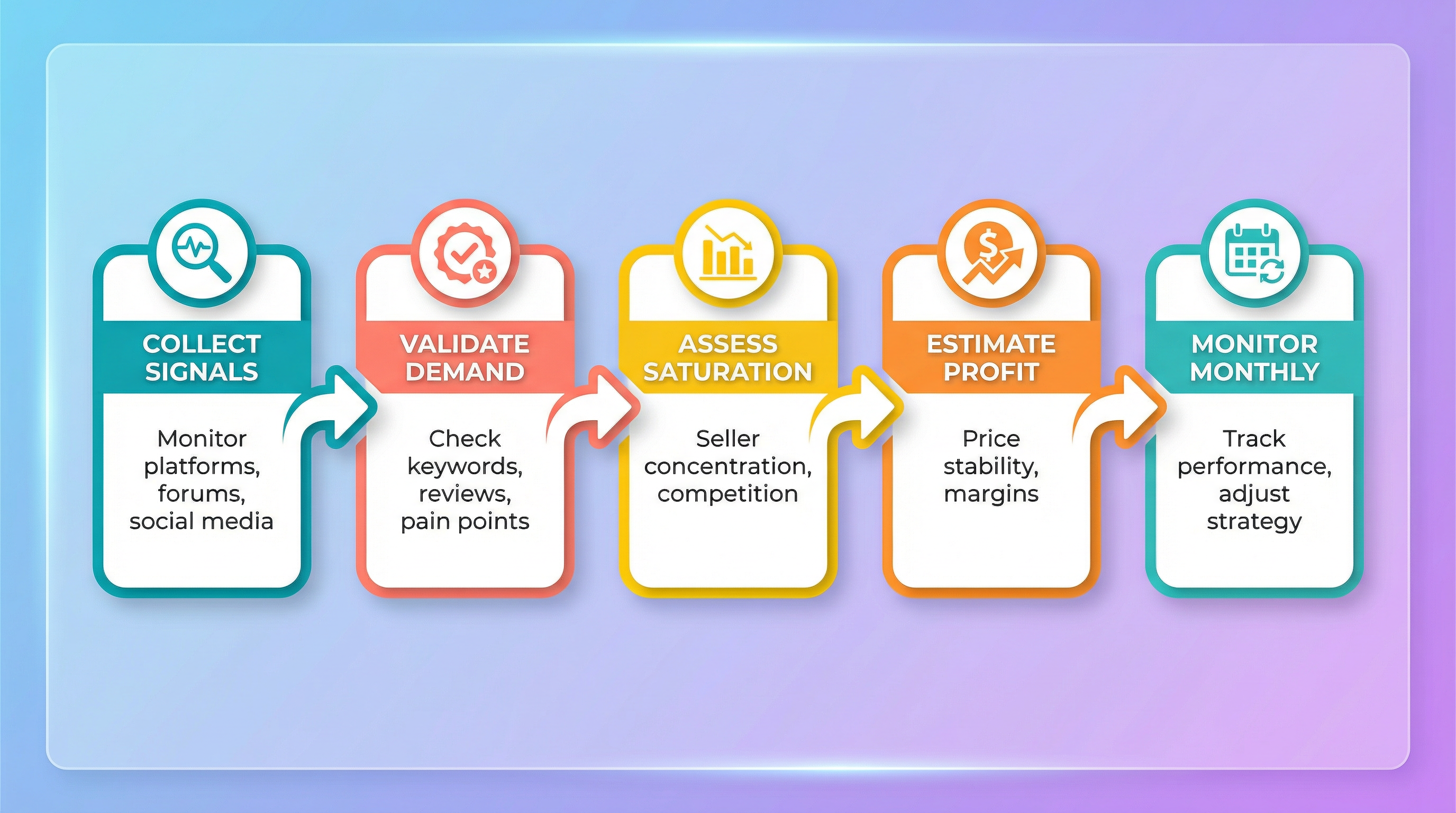
Visual shows how to use trends research for product ideas step by step.

Now that we've covered the why and how of trend research, let's put it all together into a step-by-step process. You can follow these steps whenever you want to generate new product ideas or evaluate an idea you already have:

  1. Brainstorm with Trend Sources: Start by exploring platforms that highlight emerging trends. For example, browse the latest Pinterest Predicts report for the year, look at trending hashtags or topics on social media, or check Google Trends for rising search queries in shopping categories. Jot down a list of interesting trends or themes that catch your attention. At this stage, think broadly and creatively: you're looking for inspiration, not evaluating viability just yet. (Tip: Also keep an eye on current events, pop culture, and shifts in lifestyles, as these often spark consumer trends.)
  2. Narrow Down to Product-Related Ideas: Review your brainstorm list and filter it for items that could relate to actual products. Ask yourself for each trend: "Can I imagine a product or a line of products people would buy because of this trend?" Cross out anything too abstract or that doesn't have a clear product tie-in. For example, if "nighttime aesthetics" was on your list, that's a theme you can work with (products for decorating rooms with a night theme). If you had something like "minimalism in lifestyles" as a trend, that's a bit broad, but it could translate into product ideas like multifunctional furniture or simple design home goods. Refine your list to a handful of promising product ideas or niches.
  3. Use SellerSprite to Research Each Idea: Take your shortlist of ideas and plug them into SellerSprite's Product and Keyword Research tools. For each idea, do the following:
  • Search for a main keyword (or a few related keywords) in SellerSprite's Amazon Keyword Explorer to see search volume and trend graphs. Note if the search volume is high or growing.
  • Use the Product Research feature to see existing products in that niche. Look at sales estimates, review counts, and any trend indicators provided. Are the top sellers doing well? Is there an obvious gap you could fill (e.g., poor reviews of existing products or a sub-niche not served)?
  • Check for seasonality signals in the data. Does it look like sales spike in certain months? SellerSprite might show a 12-month sales trend for the category or for specific top products. Pay attention if, say, all the top products have their highest sales in December (a holiday seasonal item) or during summer, etc.
  1. Verify with Google Trends (if applicable): While SellerSprite focuses on Amazon, it's still useful to cross-verify on Google Trends for a broader perspective. Look up the core keywords of your product idea over a multi-year period. This can confirm what SellerSprite's data suggests and give you confidence. For instance, if SellerSprite showed an upward trend in searches for "smart LED lights," Google Trends might show the same pattern in web searches, reinforcing that the trend is real and not just a blip.
  2. Evaluate Trend Types (Seasonal, Evergreen, or Fad): Determine what kind of trend your product idea falls into:
  • If it's highly seasonal, decide if you're prepared to manage a seasonal business. Seasonality isn't a deal-breaker, but you should be aware of it. You may plan to launch two products, one for summer and one for winter, to balance year-round sales.
  • If it looks evergreen or steadily growing, that's ideal for a first product. You can expect more predictable sales and have time to build your brand.
  • If it appears to be a fad (sharp spike, too new, hype-driven), be very cautious. It might be best to set that idea aside unless you have a clear, quick strategy to capitalize on it faster than the market shifts.
  1. Examine the Competitive Landscape: A trend might be promising demand-wise, but you also need to check who else is already selling in that space. Within SellerSprite, analyze the niche's saturation. If your idea was "ancient Greek jewelry," and you find only a few sellers with moderate reviews, that's a green light that the competition isn't fierce. But if you find dozens of similar jewelry items with thousands of reviews, the niche might be tough to break into, even if the trend is hot. Look for a unique angle or differentiation if there is competition. Sometimes, entering a trend early means competition is low, which is perfect. If you're a bit late and competition is heating up, consider what unique value you can bring (e.g., better design, a bundle, targeting a sub-niche, etc.).
  2. Make a Decision and Plan: After these analyses, you should have a clearer picture of each idea: the demand trend, the seasonality, the competition, and how it fits with larger market movements. Choose the product idea that scores well on these fronts: strong or growing demand, manageable competition, aligns with a long-term trend, and fits your interests and budget. Then move forward to planning the product sourcing and launch, knowing you've done your homework on its trend viability. Keep the other ideas as backups or for your future product line.
  3. Monitor Continuously: Trends evolve. Even after you've started developing a product, keep an eye on its keywords and category. Set up alerts or periodically check SellerSprite for any changes in search volume or new competitors entering the space. Stay connected to communities (on Pinterest, Reddit, etc.) related to your niche to gauge consumer sentiment. If you notice a trend accelerating, you might double down on marketing. If you sense it cooling off, you could make adjustments or prepare the next product. Being proactive is much easier when you're continuously watching the trend data, and SellerSprite makes that convenient with up-to-date analytics.

By following these steps, you're incorporating trend research into your product selection process in a practical, repeatable way. This approach helps ensure that you're not choosing products based on guesswork or outdated methods, but rather on current data and forward-looking insights. It's an empowering feeling to pick a product knowing "I see this demand growing and I know why people want this item."

Stay Connected with the SellerSprite Community

An image calls for joining SellerSprite's community.

Researching and launching products can feel complex, but you're never alone in this journey. The SellerSprite community is a great place to seek advice, share your findings, and learn from other sellers who use data-driven methods to succeed. If you ever have questions about trend analysis or any other aspect of your Amazon business, we encourage you to reach out and connect:

Join the SellerSprite Discord: Our active Discord community is filled with sellers and e-commerce enthusiasts. It's a friendly space to brainstorm product ideas, ask questions about using SellerSprite tools, and get real-time feedback.

Visit the SellerSprite Facebook Group: If you prefer Facebook, we have a group dedicated to SellerSprite users and Amazon FBA sellers. It's a valuable resource for tips, success stories, and peer support. Feel free to post your questions or insights about trend research or any other topic.

By engaging with the community, you'll gain motivation and knowledge. You might discover new trend ideas from someone's post or find an accountability partner to share progress with. Selling online is a constant learning experience, and having a supportive network can make it both easier and more enjoyable.

Conclusion

An image shows the leveraging trend research by data analysis and turn them into feasible product ideas.

Identifying free trending product ideas and verifying their potential is a skill that sets top sellers apart. You've learned how to tap into creative trend sources like Pinterest to spark product inspiration, and how to back those ideas with solid data using Google Trends and SellerSprite's Seller Tools. This combination of creativity and analytics is powerful. It means you can confidently answer "Why will this product sell well, and for how long?" before you ever invest a dollar in inventory.

Keep a curious and proactive mindset. The market is always evolving: new trends emerge, and old ones can fade or transform. With the strategies from this chapter, you have a repeatable process to stay ahead of the curve. Use it to build a product line that not only rides popular waves but also delivers lasting value to customers.

As you move through the next stages of your seller journey (product sourcing, marketing, etc.), remember to continually apply trend research as you expand your catalog. And whenever in doubt, revisit the data, and let it guide you. With SellerSprite by your side, providing the latest insights, you're well-equipped to choose winners in the marketplace. Good luck, and happy selling! Let's turn those trends into thriving products.


Turn Trends into Timeless Products

Use SellerSprite to spot long-lasting product trends. Validate the trends with real data and start your journey toward successful, sustainable product launches.

Start Validating Trends with SellerSprite → 

Continue Your Learning Journey

Visit the Course Directory to view all available chapters of the SellerSprite Amazon Seller Beginner to Master Course and jump to the section you need.

Open Course Directory → 


User Comments
Avatar
  • Add photo
log-in
All Comments(0) / My Comments
Hottest / Latest

Content is loading. Please wait

Latest Article
Tags