How To Reach Out To Alibaba Suppliers Like A Pro

2025-12-11

How To Reach Out To Alibaba Suppliers Like A Pro

When you finally find a promising product on Alibaba, it is exciting and a little nerve-racking at the same time. You have done your research, you know roughly what you want, and now it is time to talk to real factories. This first message is much more than a casual question. It is your chance to show that you are a serious buyer, to collect all the information you need, and to start building a relationship that could support your business for years.
In this lesson we will turn the transcript into a complete, step by step guide that you can follow every time you contact a new supplier. You will see how to set up the inquiry form correctly, how to introduce yourself, how to describe your product and packaging, and how to ask for pricing, shipping, and samples in a professional and confident way.

Using The Alibaba Contact Form Strategically

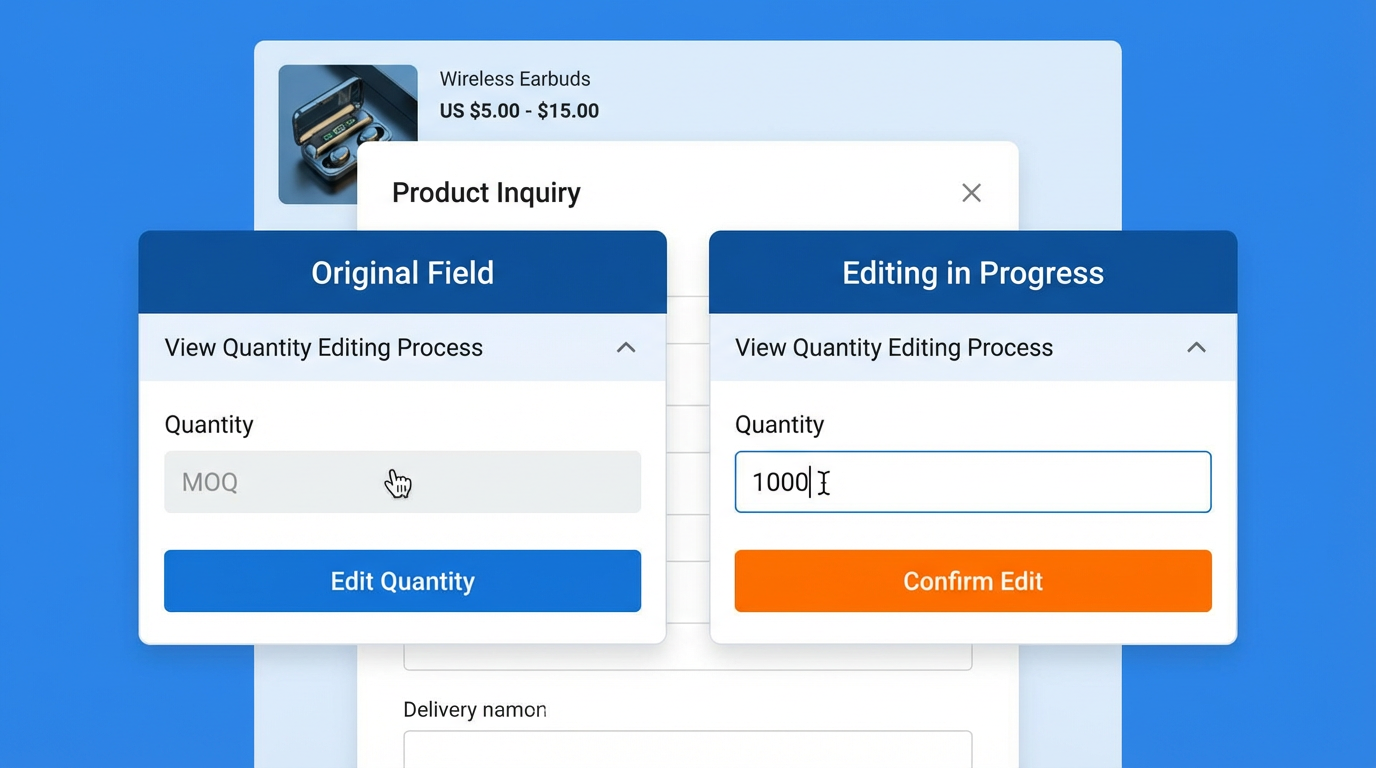
When you open a product on Alibaba and click the contact button, Alibaba shows you a supplier contact form. The interface may change from time to time, but the logic stays very similar. At the top you usually see a quantity field that Alibaba automatically fills with the supplier’s minimum order quantity.
Screenshot of an Alibaba.com chat window with supplier Muhammad Azam, showing a jacket product card and a red arrow pointing at the message input box.

 
A simple but powerful habit here is to adjust this number before you send anything. Instead of leaving the minimum quantity, many experienced sellers change it to a larger number, such as 1,000 units. The reason is psychological as much as practical. Suppliers look at a long list of inquiries every day. When they see someone asking about 1,000 units, that inquiry naturally feels more interesting than someone asking for 50. A larger quantity signal suggests potential for higher sales and long-term cooperation, so it is more likely to be answered quickly and with more details.
Even if you are not planning to order 1,000 units on your first order, it is still reasonable to present yourself as someone who aims to get there. In many cases, you genuinely will want to scale to that level, and your initial sample and test order are simply the first step in that direction. Also, pay attention to the opposite situation. Sometimes you really do want a large quantity, and Alibaba still autofills a small number, such as 50. If the supplier only glances at that small number, they may not give your message much attention. So always check the quantity field and adjust it to reflect your real potential and seriousness.
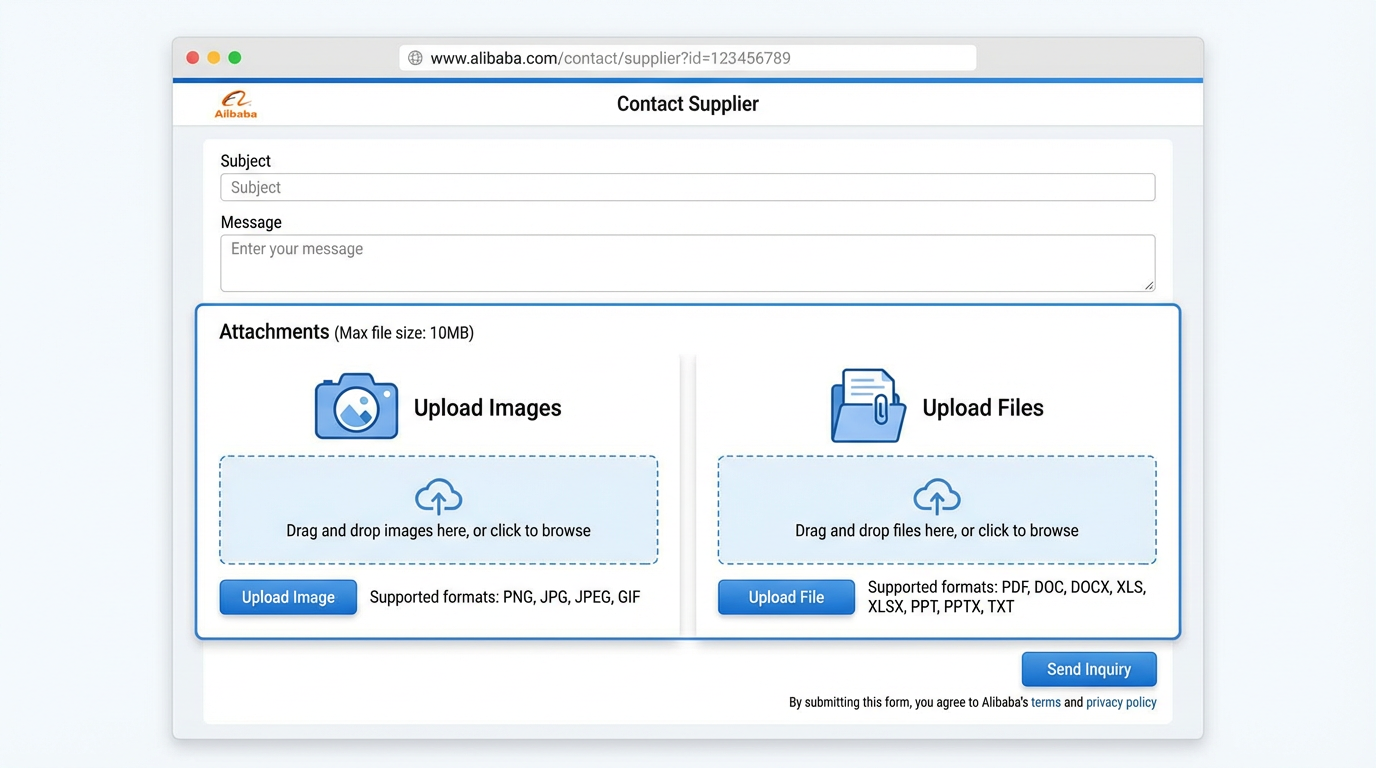
The form may also offer checkboxes and dropdowns for color, material, and other attributes. These can be useful if you already know precisely what you want, but they are not essential. The most important part is the main message box, where you will paste your own template, and the attachment area, where you can add files such as logo images or packaging examples. Think of the form as a basic frame. The real value is in the message you write.

Presenting Yourself As A Professional Buyer

Orange promotional banner reading ‘Find Your Perfect Supplier – Connect with confidence on Alibaba’ with abstract connection lines and the SellerSprite S logo in the corner.

The beginning of your message sets the tone for the entire conversation. You want to sound professional, clear, and friendly.
Start by addressing the contact person by name. On the supplier page or product page, you can usually see a name such as “Chris” or “Angela”. You might write:
Dear Chris,
After that, introduce yourself and your role straightforwardly:
My name is [Your Name], and I am the purchasing manager for [Your Company Name].
There is a reason to use "purchasing manager" instead of "owner" or "CEO" here. A purchasing manager sounds like a real position inside an honest company. It tells the supplier that you have the power to discuss details and make decisions, but it also gives you some negotiation flexibility. If you need to push for better pricing or shorter lead times later, you can comfortably say, "I would love to agree to this, but my boss needs this target price," or "My boss needs a shorter lead time for this order." Suppliers usually like talking to the decision maker, but they also understand that the final word might come from someone above you. This structure feels natural and believable.
In the following sentence, introduce your company in one short line. For example, you might say that you are an American consumer products company, or a European home and kitchen brand, or whatever accurately describes your situation. The goal is not to brag, but to show that you have a clear identity and a clear market.

Use SellerSprite To Source Directly From Alibaba

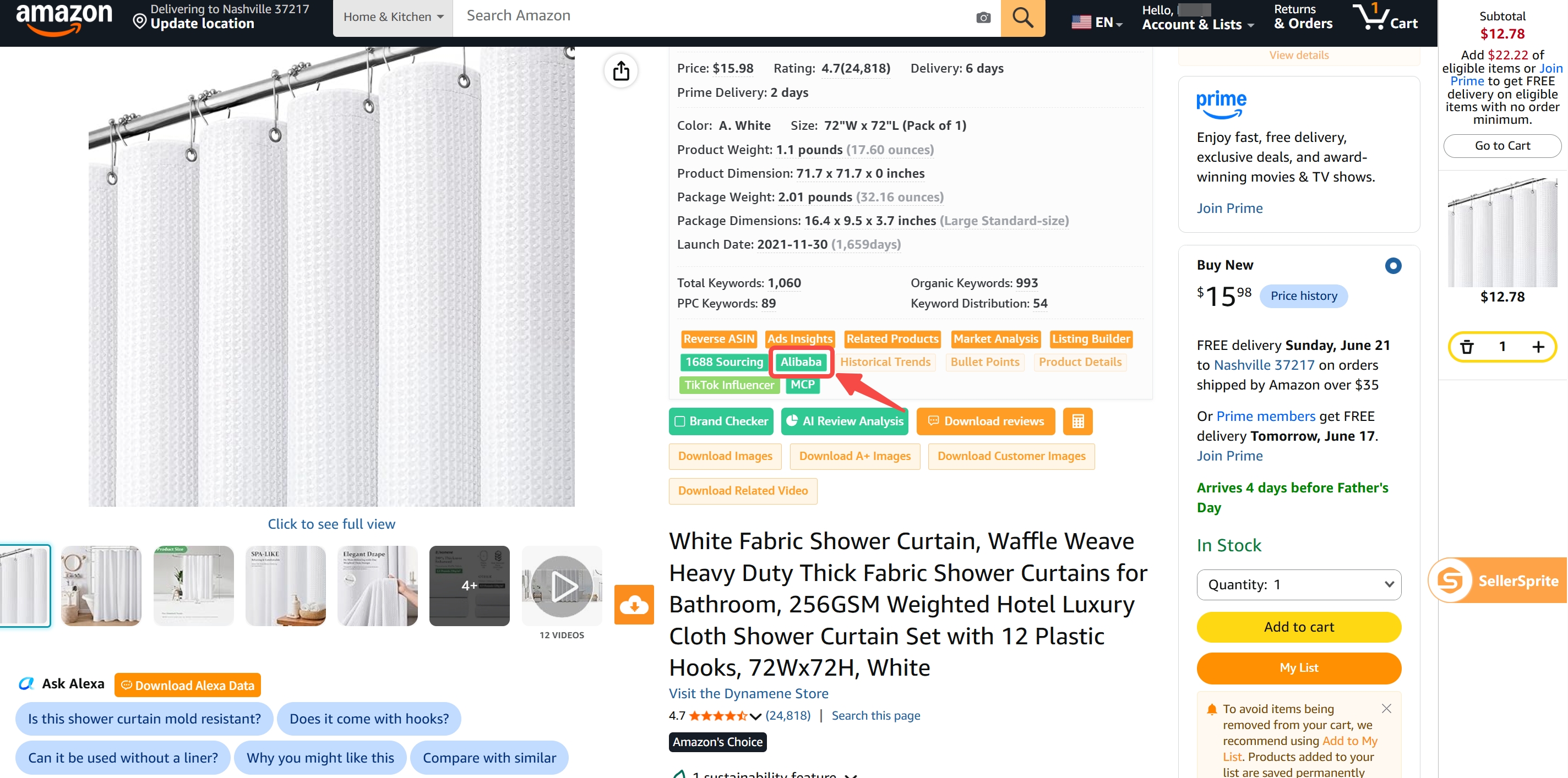
Run your product research in SellerSprite, then click the Alibaba button in the product box to instantly find similar products on Alibaba based on picture similarity.

Start Researching With SellerSprite

Making It Clear Which Product You Want

Now that you have introduced yourself, you want to remove any doubt about which product you are asking about. On Alibaba suppliers may have dozens or even hundreds of product variations that look very similar. If your description is vague, misunderstandings become much more likely.
A simple way to avoid confusion is to mention the exact product and include the direct link:
We are interested in the following product listed on Alibaba: [Product Name]. 
Product link: [Paste the URL from the product page].
The easiest way is to open the product page in a new tab, copy the URL from the address bar, and paste it into your message. This way, both you and the supplier are looking at the same duplicate listing, with the same pictures and title. If you are talking about silicone soap molds, please say exactly that and include the link to the specific mold, so there is no doubt about which design or size you are referring to.

Describing Your Product Requirements Clearly

Once you have established who you are and which product you are referring to, you move into the heart of the message: your requirements. This is where you communicate what you want in terms of quality, size, design, and any special features. Even if some points seem obvious, spelling them out reduces confusion and gives the supplier a solid basis for a precise quote.
You might introduce this part with a sentence like:
Our company is looking to add [Product Name] to our product line, subject to the following requirements.
Then you can write the requirements in complete sentences.
Start with quality. You might need high-quality, durable silicone that feels thick, not flimsy. If it is a kitchen product, you can clarify that it should be suitable for use with food. If it is a cosmetic product, you may emphasize that it must be comfortable and safe on the skin. It is tempting to assume that every supplier will automatically understand “good quality”, but quality means different things to different people. When you say "thick and durable silicone" or "high quality pink or purple silicone that does not easily tear", you give them something concrete to work with.
After describing the quality, talk about the weight and size. If you already have target dimensions or weight, state them. For example, you can say that each mold should be a certain length, width, and height, or that the walls should be a particular thickness. If you do not yet know the exact numbers, you can say that you are open to their standard sizes and ask them to share what they usually produce. The important thing is to show that size and weight matter to you, because they affect both user experience and shipping cost.
If color is relevant, mention it too. For a soap mold, you might prefer a specific color, such as pink or purple, to match your brand. You can ask the supplier what color options are available and whether there is any price difference between them. This is also the place to mention surface textures, patterns, or any design details such as twists, ridges, or special shapes.
Next, address logos and branding. If you want a custom logo on the product itself, explain where you want it and how it should appear. You might write that you want your logo on the side, bottom, or handle, and then tell the supplier that you are attaching the logo image to the message. If you do not have a final logo yet, you can skip the attachment for now and ask them whether they can add logos and what techniques they use. Later, once your design is ready, you can send it.
In addition, consider whether you want to bundle this product with another item. The same factory may offer two different soap mold designs, and you want both packed together and sold as a single set. You can ask if they can produce such a bundle and what the cost would be. In other cases, combine products from two factories into a single package. It is perfectly acceptable to ask a supplier whether they are willing to receive another item and pack it together with their own product. Many factories are familiar with this practice and will either confirm that they can handle it or explain the conditions.
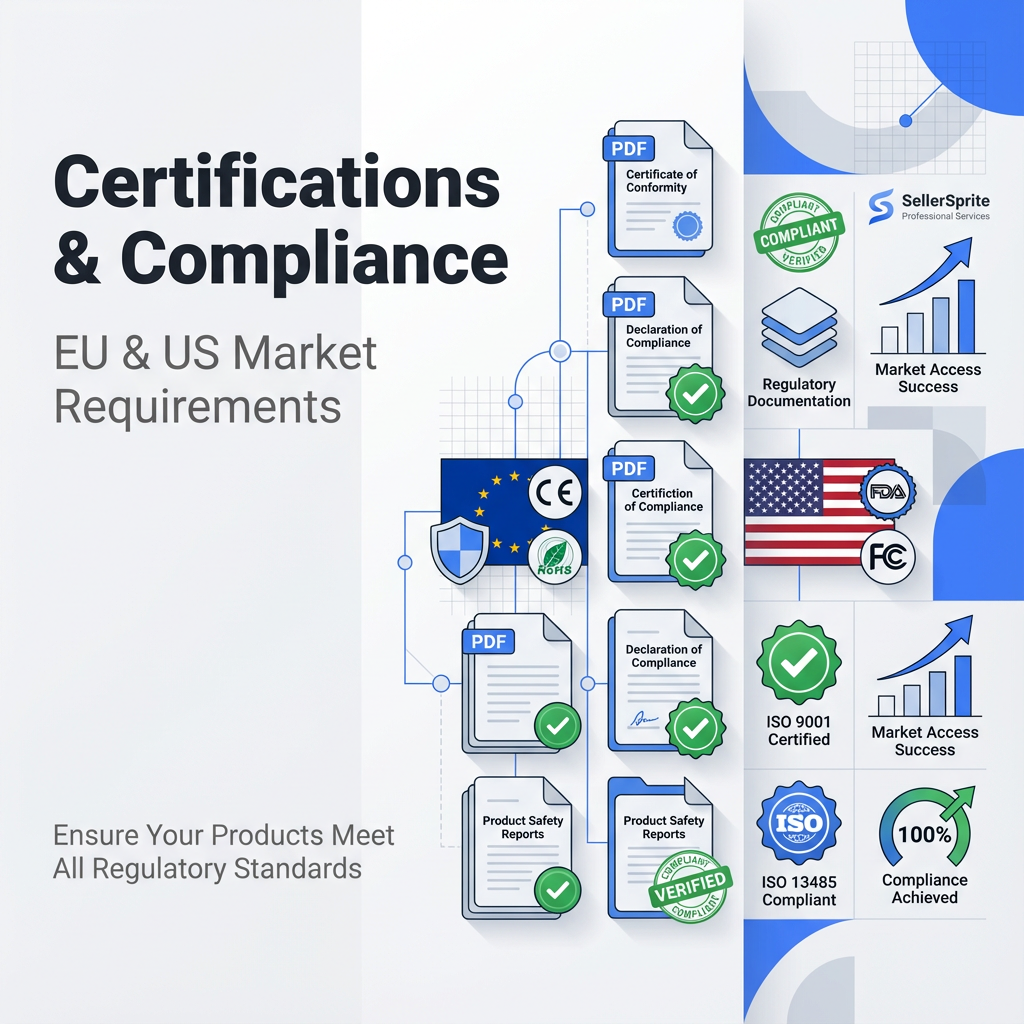
Finally, talk about certifications. If the product touches food or skin, there may be regulatory or marketplace requirements in your target country. You should do your own research beforehand so you know what you need for your particular niche and platform. Once you know the relevant certifications, mention them in your message and ask the supplier to confirm whether they have them and, ideally, to share documentation later. This will help you filter out factories that cannot legally support your product in your chosen market.

Thinking Through Packaging From The Start

Beginners often underestimate packaging, but it is a powerful part of your product. It affects first impressions, perceived value, and sometimes even the practicality of storage and shipping.
Before you decide on your packaging, it is smart to order some of your competitors' products. When you receive them, pay attention to the feel of the product, the thickness of the material, how it is wrapped, and whether the packaging looks gift-ready. Ask yourself whether you want to match that level or surpass it.
When you describe packaging to your supplier, please be as specific as possible. Instead of saying "nice packaging" or "paper box", explain what type of package you want. For example, you might want a printed cardboard box with a logo on top, or a transparent bag with a paper head card, or a simple clear polybag if your product does not require anything fancy. The most effective way is to attach photos that illustrate what you have in mind. The supplier will understand that image much more quickly than a long text description and can respond with a more accurate quote.
You may also want to include a product insert, such as a small card with instructions, a thank-you note, or brand information, if you don't mind. Inserts can create a professional feel and help build a stronger connection with your customer. If you need an insert, describe it and ask whether they can print and include it with each unit.
At this point, it is essential to ensure everyone is clear about pricing. Some suppliers will say that they can do your requested packaging, but the unit price they quote is for the product only, and they later add the packaging cost as a separate line. To avoid this confusion, ask directly whether the packaging described is included in the product price and, if not, how much extra it adds per unit. It is better to clarify early than to discover at the last minute that your costs are higher than expected.
There are two slightly different ways you can handle packaging and other add-ons in your conversation. One strategy is to ask for everything upfront, including logo, packaging, and inserts, so that you receive one all-inclusive quote and see the whole picture from the beginning. The other strategy is to start with a fundamental product quote and then add logo and packaging step by step, asking each time how much the price changes. The first approach saves time and gives you a quick sense of which suppliers communicate well about detailed requirements. The second approach lets you see exactly how much each extra feature costs. You can choose the style that fits your working preference, but whichever you choose, be intentional about it.

Asking For Samples, Pricing, And Shipping In One Message

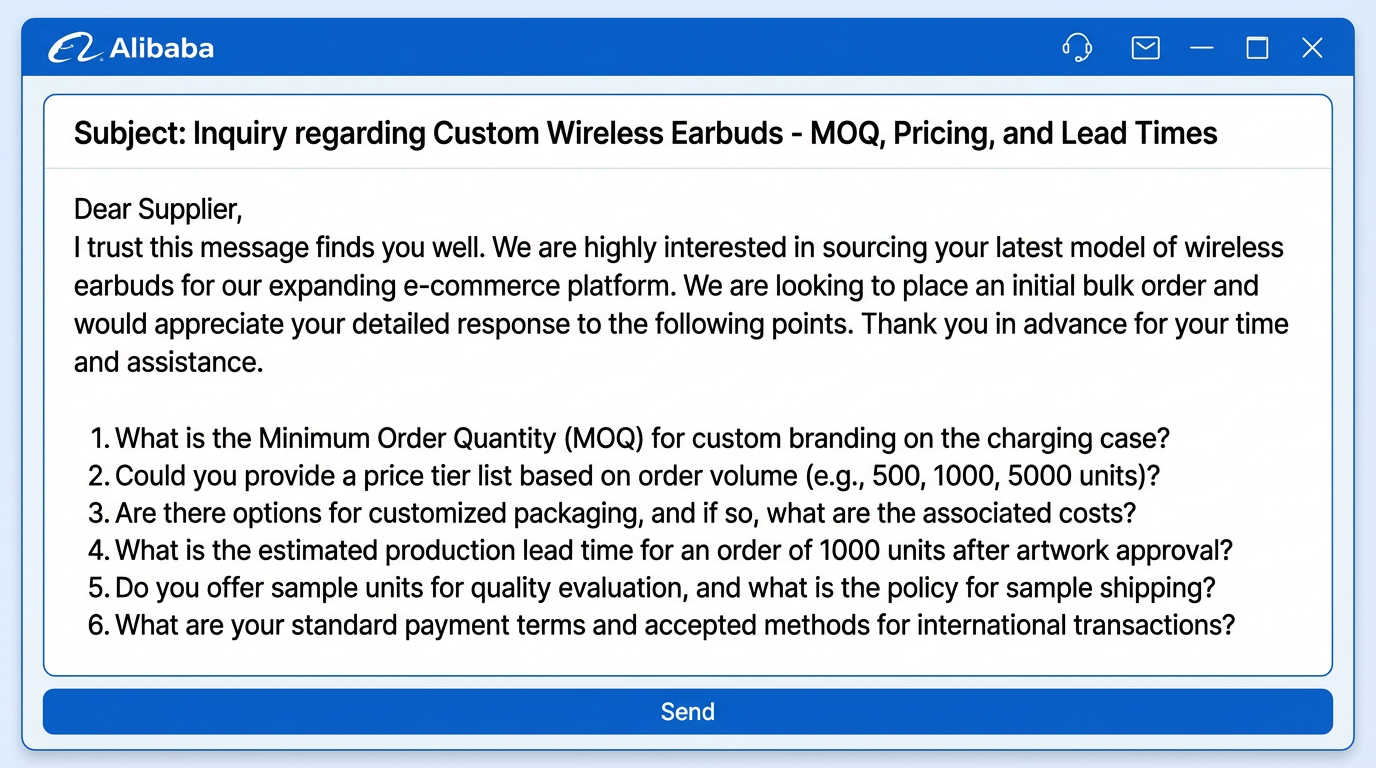
After you describe the product and its packaging, you shift to asking for numbers. A smooth way to do this is first to acknowledge that they might be able to meet your requirements, then list exactly what information you need. For example, you might write:
If your factory can supply the product as described above, please provide the following information.
The first piece of information you'd like is the sample. Ordering a sample is not optional. Even if a supplier seems perfect on paper, you will not know the product's true quality, look, and feel until you hold it in your hands.
Ask them to tell you the total cost of one sample, including express shipping to your country and your zip code. Specify that you want fast shipping, such as DHL Express, because the point of a sample is to move quickly to a decision. Also, ask them to share how long it will take to produce the sample and how many days shipping is expected to take. This lets you estimate when you can realistically evaluate it.
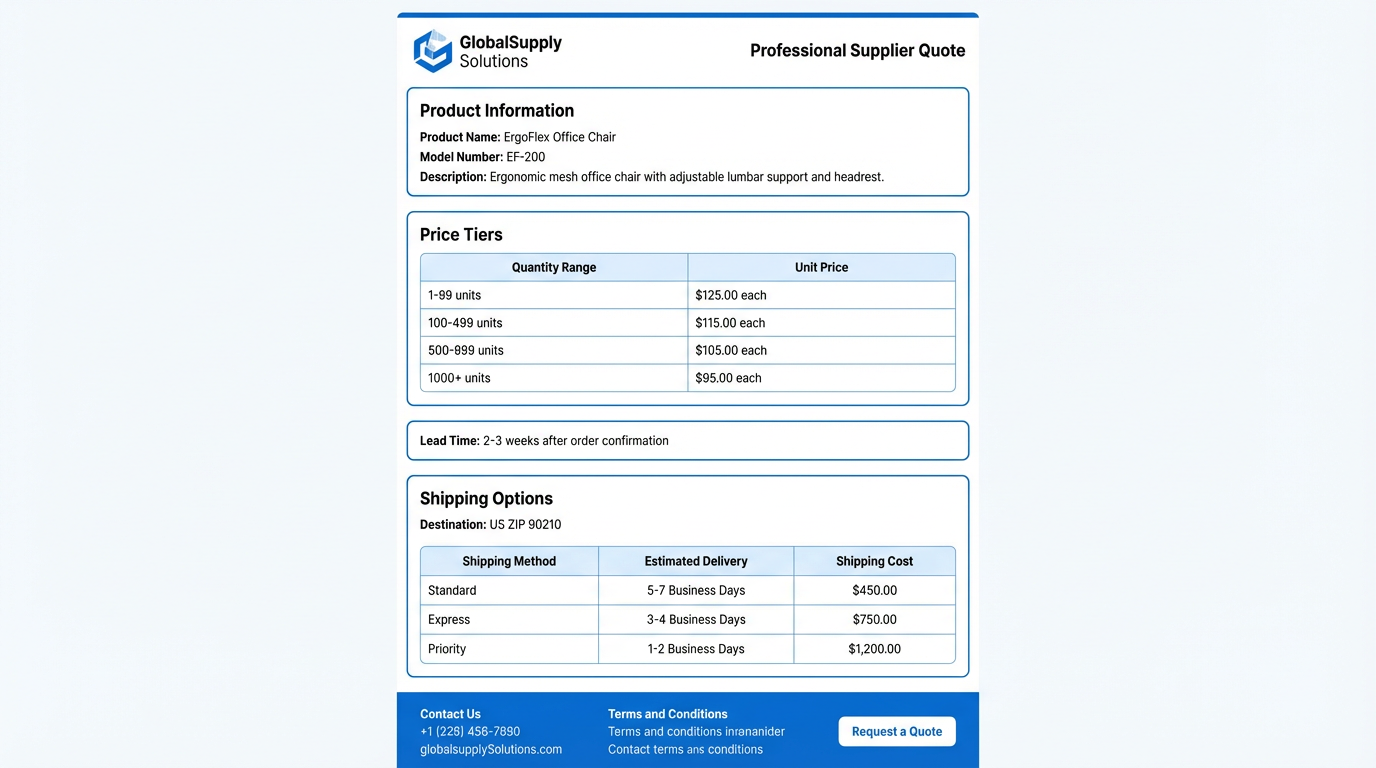
Next, ask for product pricing at several different quantities. Instead of asking only for the price of 1,000 units, ask for the price at a smaller quantity (your target quantity) and a larger quantity. For example, you might ask for 500, 1,000, and 3,000 units. If you plan a different starting point, you can adjust the numbers accordingly, such as 750 units with surrounding quantities above and below. Seeing multiple price points helps you understand how the unit cost changes with volume and what to expect when you scale.
After you have requested unit prices, ask about shipping. You want to know how much it would cost to ship each of those quantities to your country. In many Amazon-focused businesses, sellers ask for DDP shipping. DDP means Delivered Duty Paid, where the supplier or their shipping partner handles customs, duties, and delivery to your specified country. You can ask them to quote DDP air shipping to a specific zip code in the United States. Even if this is not your final destination, it gives the supplier a reference. Later, after you have created your shipping plan and know your exact warehouse address, you can update the shipping address. The final price may change, but should not be dramatically different as long as it remains within the same country.
While you are discussing prices and shipping, do not forget the production time. For each requested quantity, please ask how many days it will take to produce the order. Do not assume that production time is fixed. For some products, producing 1,000 units and 3,000 units may take the same amount of time because the process is batch-based. For others, a larger order can add significant time. Understanding lead time helps you plan reorders and avoid running out of stock in the future. Many new sellers focus almost entirely on cost at the beginning, only to discover later that slow production causes serious problems. You can avoid that pitfall by paying attention to lead time right from the first inquiry.

Become Part of the SellerSprite Community

Become a part of the SellerSprite community and ask the SellerSprite team for a China Industrial Belt guide so you understand key production hubs for your product.

Join the Discord Community

Choosing How You Will Communicate

At the end of your information request, you'll be able to talk about communication channels. Many Chinese suppliers prefer to use WeChat for ongoing communication, because it is their standard app for both business and personal messaging. It allows them to easily send photos, quick voice messages, and short text updates.
You can ask them to provide their WeChat ID and, if you like, their email address or Skype ID. Mention which channel you prefer for detailed conversations. If you are comfortable using messaging apps, WeChat can be very effective, especially when you often need to share photos of samples, packaging layouts, or design changes. You can draw images, circle specific areas, and make feedback more visual. If you prefer a more formal record, email is also a strong choice, because it organizes the discussion into threads that are easy to search later.
Many sellers find that the Alibaba message system itself is not the best place for long-term back and forth. It can be slow and awkward when you want to send multiple images and detailed explanations. For that reason, you may write something like:
For faster communication, please respond through WeChat using ID [Your WeChat Name] or by email at [Your Email]. 
Please do not respond only through the Alibaba chat.
This statement invites the supplier to move to a channel where the communication will be faster and easier, while still allowing you to begin the relationship through Alibaba's official system.

Setting A Clear Timeline And Signaling Long-Term Potential

To close your message, set expectations and show you are serious without sounding aggressive. One effective way is to mention your decision timeline, the fact that you are speaking with several factories, and your intention to build a long-term partnership.
You may plan to choose a supplier and complete your initial purchase within the next three weeks, or within any time frame that fits your situation. This tells the supplier not to sit on your request for too long. Then you can say that you are currently communicating with several factories. This is a polite reminder that they are in a competitive process and that you will compare quotes and terms.
Finally, emphasize that this is not a one-time transaction for you. Explain that after your initial order, which may be smaller as a test, you plan to place repeat orders and hope to increase quantities over time. Use words like "long-term partnership" and "repeat orders" because many suppliers genuinely care about stable, long-term customers. When they see that you are thinking beyond the first order, they are more likely to invest effort into good communication and fair pricing.
You can end with a simple, warm closing such as:
We look forward to hearing back from you. 
Best regards, 
[Your Full Name] 
Purchasing Manager 
[Your Company Name]
This combination of professionalism and respect sets the right tone for the relationship you are trying to create.

Interpreting Supplier Responses And Narrowing Your Options

After you send this message to multiple suppliers, the replies you receive will tell you a lot more than just price. Some suppliers will respond with a short "Hello" and then wait for you to repeat information you already included. Others will answer one question at a time and ignore others. A smaller group will read your full request carefully and give you structured, reasonably complete answers, even if they still need to ask a few follow-up questions.
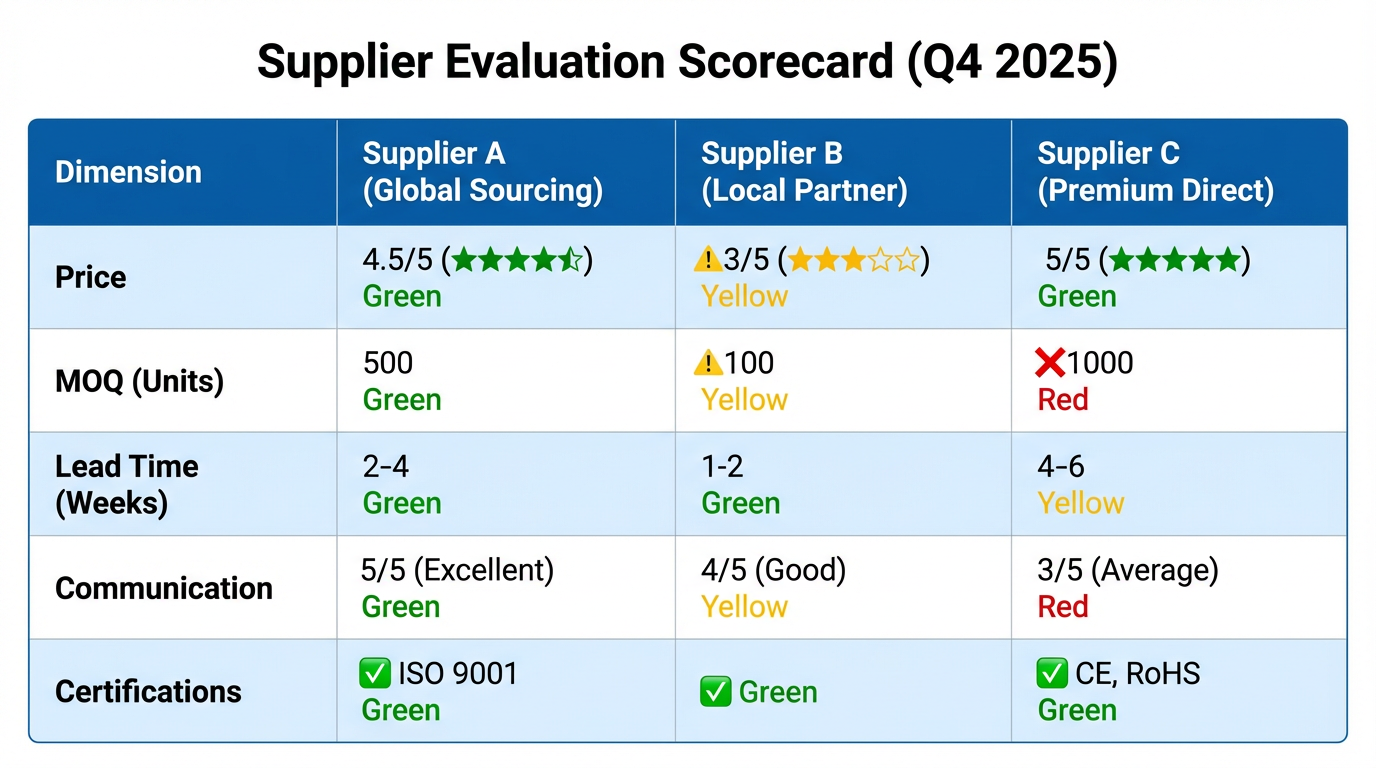
As you read their replies, pay attention to more than just the numbers. Notice how quickly they respond and how clearly they communicate. Ask yourself whether they seem willing to work with your requirements, whether they ask intelligent clarifying questions, and whether they show interest in understanding your business. All of these factors matter because you are not simply buying a product; you are choosing a partner you may work with for years.
Once you have several quotes and responses, you can begin narrowing your list. Instead of automatically choosing the lowest price, consider the complete set of unit cost, shipping cost, production time, and communication quality. Often, the supplier with the lowest price is cutting corners elsewhere, such as in materials or service. Choosing a slightly more expensive but more reliable supplier can save you a lot of headaches later.
With your top candidates, do not be afraid to ask "why". If one supplier is more expensive, ask them why their price is higher. Perhaps they are using better raw materials or including specific certifications. Suppose they cannot offer a customization that others can, ask them why that is. Sometimes the answer is a limitation in their equipment or process, and sometimes it is simply that they have not yet fully understood your request. Asking "why" turns guesswork into clarity and helps you make informed decisions rather than assumptions.
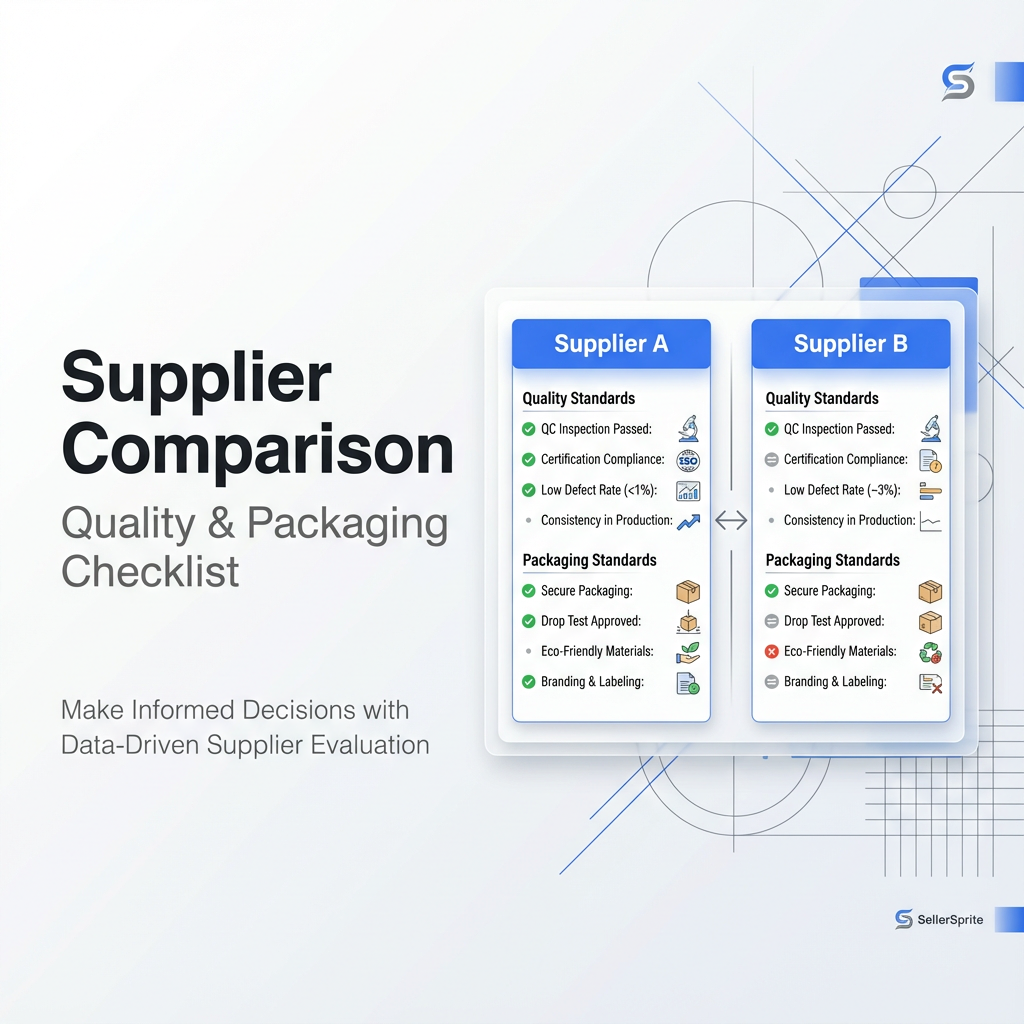
After this filtering process, you will likely end up with a small group of promising suppliers, often around three. These are the ones you should order samples from. When the samples arrive, you can compare them side by side, feel the difference in quality, inspect the packaging, and see whether they have delivered what they promised. This is the moment when the project starts to feel very real, and it is a crucial step before committing to a full production run.

Bringing It All Together

Reaching out to suppliers on Alibaba does not have to be confusing or overwhelming. When you understand the structure of the contact form, present yourself as a professional purchasing manager, clearly describe your product and packaging requirements, and request samples, pricing, shipping, and timelines in a single, organized message, you turn a chaotic process into a repeatable system.
Every time you send this kind of message, you are practicing a core business skill: building strong, mutually beneficial partnerships. Suppliers are not just factories; they are key players in your success. When you show that you care about clear communication, fair profit for both sides, and long-term cooperation, you attract partners who think the same way.
Use this lesson as your reference whenever you prepare a new inquiry. Over time, you will get faster at customizing the template, sharper at reading supplier responses, and more confident in your decisions. Step by step, message by message, you are building the foundation of a brand that can grow and thrive in the marketplace.

View The SellerSprite Course Directory

Ready for the next step? Open the SellerSprite Academy course directory to continue building your Amazon FBA skills chapter by chapter.

Open Course Directory
User Comments
Avatar
  • Add photo
log-in
All Comments(0) / My Comments
Hottest / Latest

Content is loading. Please wait

Latest Article
Tags